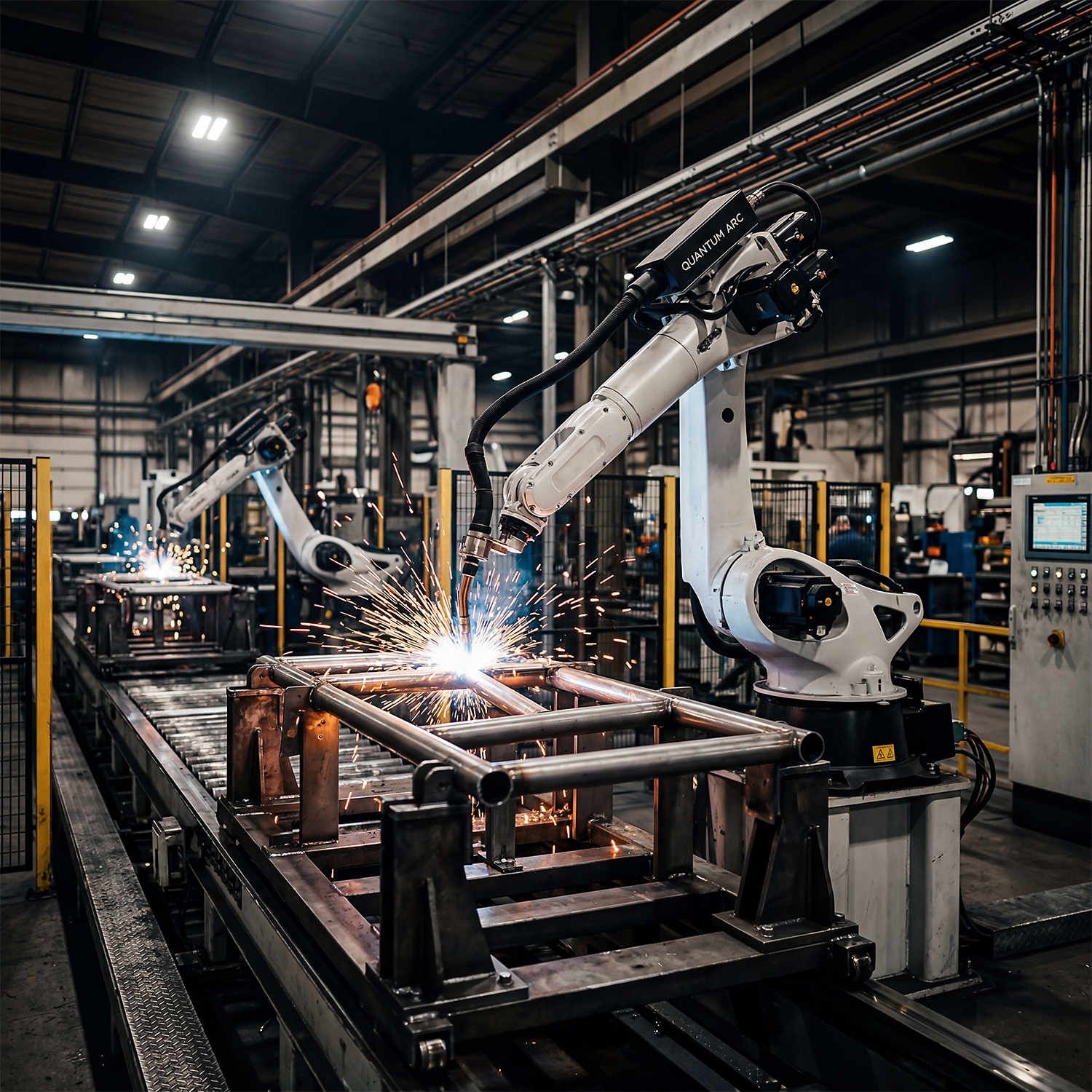
工业机器人
工业机器人:Robots International 中文目录,用于比较方案、准备报价并安排国际采购。
工业机器人
Robots International 的 工业机器人 分类汇集与 机器人解决方案 相关的产品、品牌、配件或资源,适合需要比较机器人方案、租赁选项或国际报价的专业客户。
目录路径:商店 > 解决方案 > 工业机器人。此中文页面用于快速了解相关类别,同时不改变产品页面中发布的技术规格、型号信息或配置数据。
评估与集成
在采购前,Robots International 可协助评估使用场景、运行环境、安全要求、配置选项、配件兼容性以及培训或维护需求。
国际采购
对于专业项目,报价请求可包含供货情况、交期、运输、进口文件、合规要求以及到目的地国家的物流支持。
-
Assembly and disassembly
-
Welding and painting
-
Material handling and logistics
-
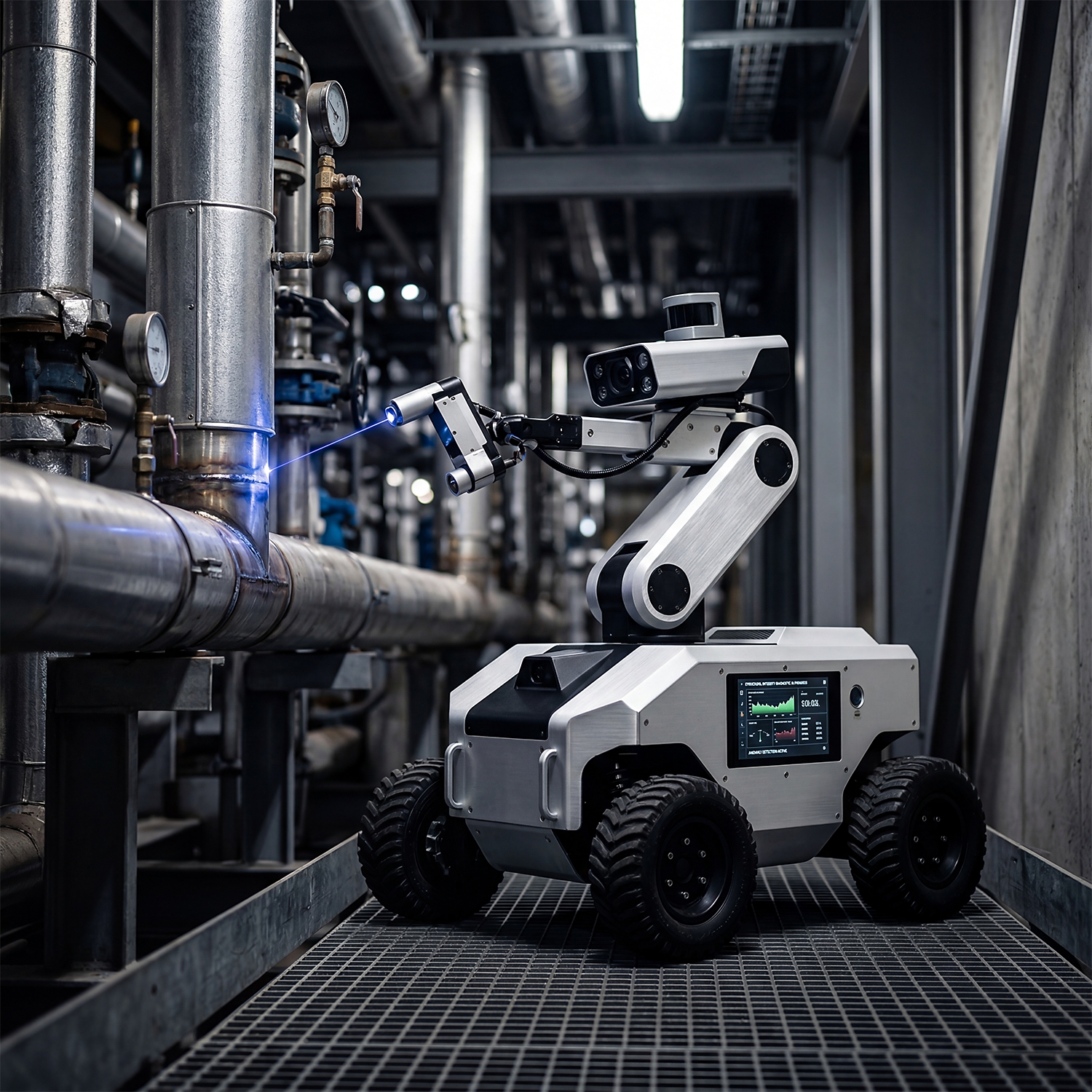
Quality inspection and testing
-
Packaging and palletizing
By automating these operations, industrial robots increase productivity, ensure consistent quality, and minimize human error.
1. Automotive Manufacturing
Industrial robots play a pivotal role in the automotive industry, handling tasks like welding car frames, painting, and assembling components. Robots ensure consistent precision, faster production, and improved safety, allowing manufacturers to meet high-volume demands.
2. Electronics and High-Tech Production
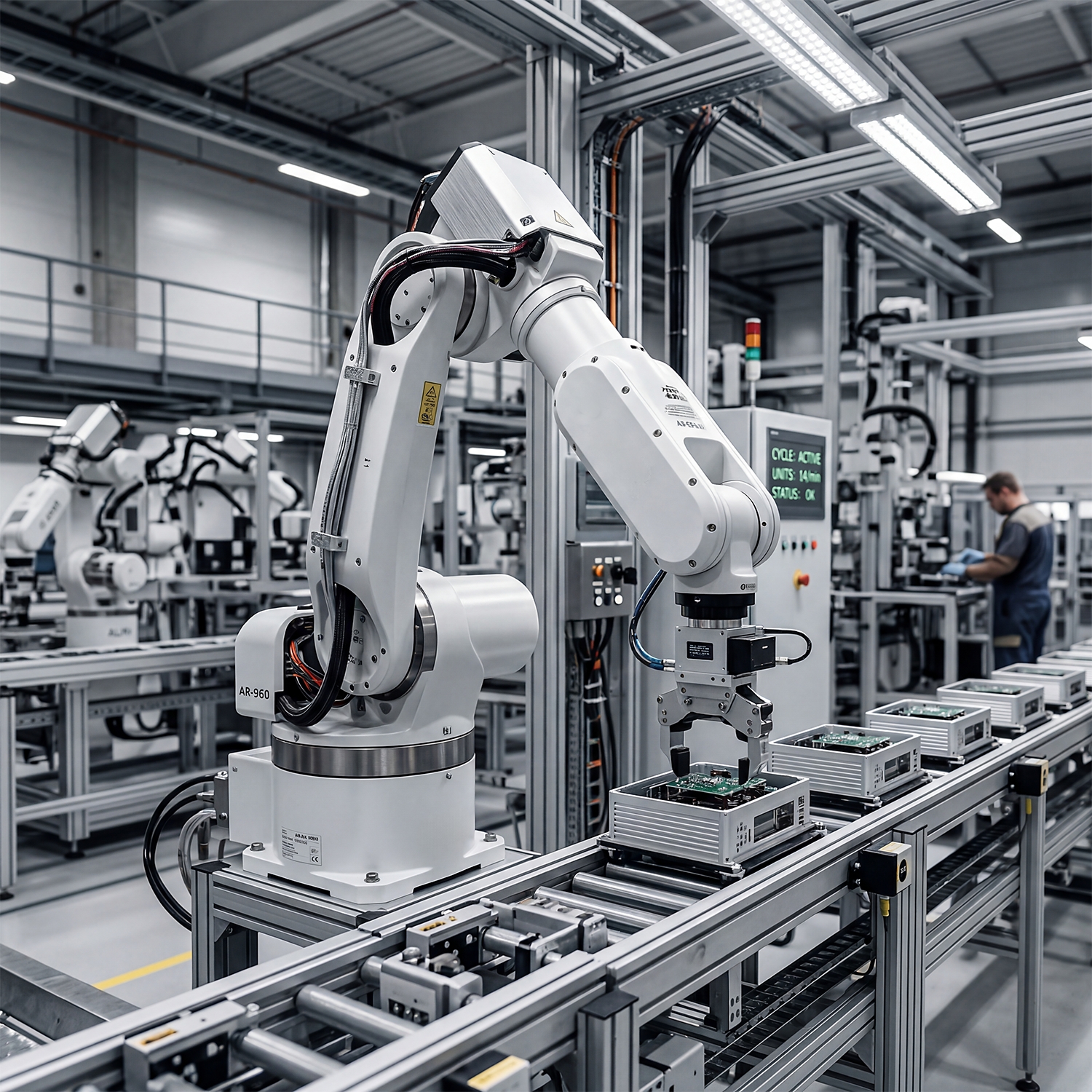
In electronics manufacturing, industrial robots handle delicate tasks such as circuit board assembly and microchip placement. Their high precision and repeatability reduce errors, ensuring product reliability and quality.
3. Material Handling and Logistics
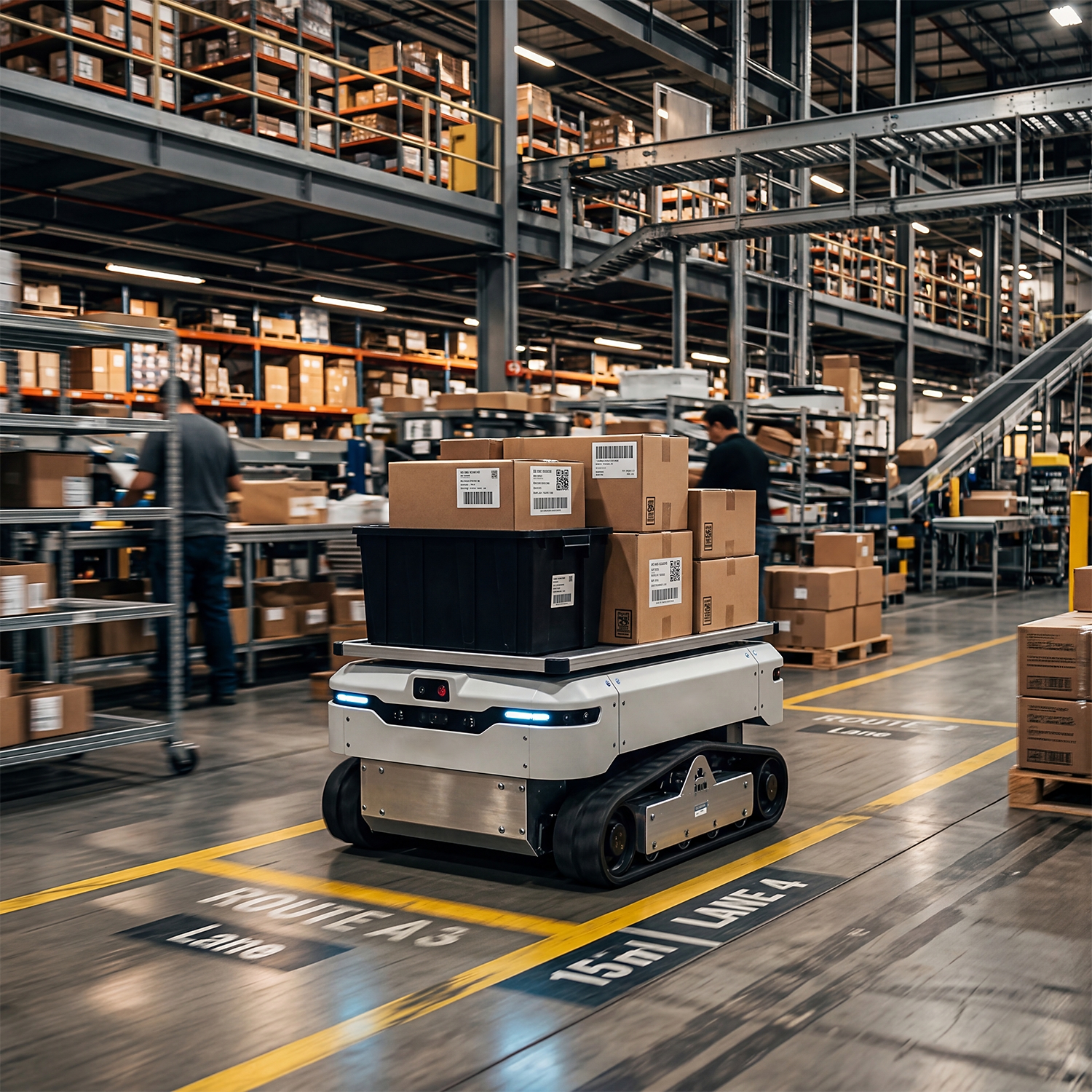
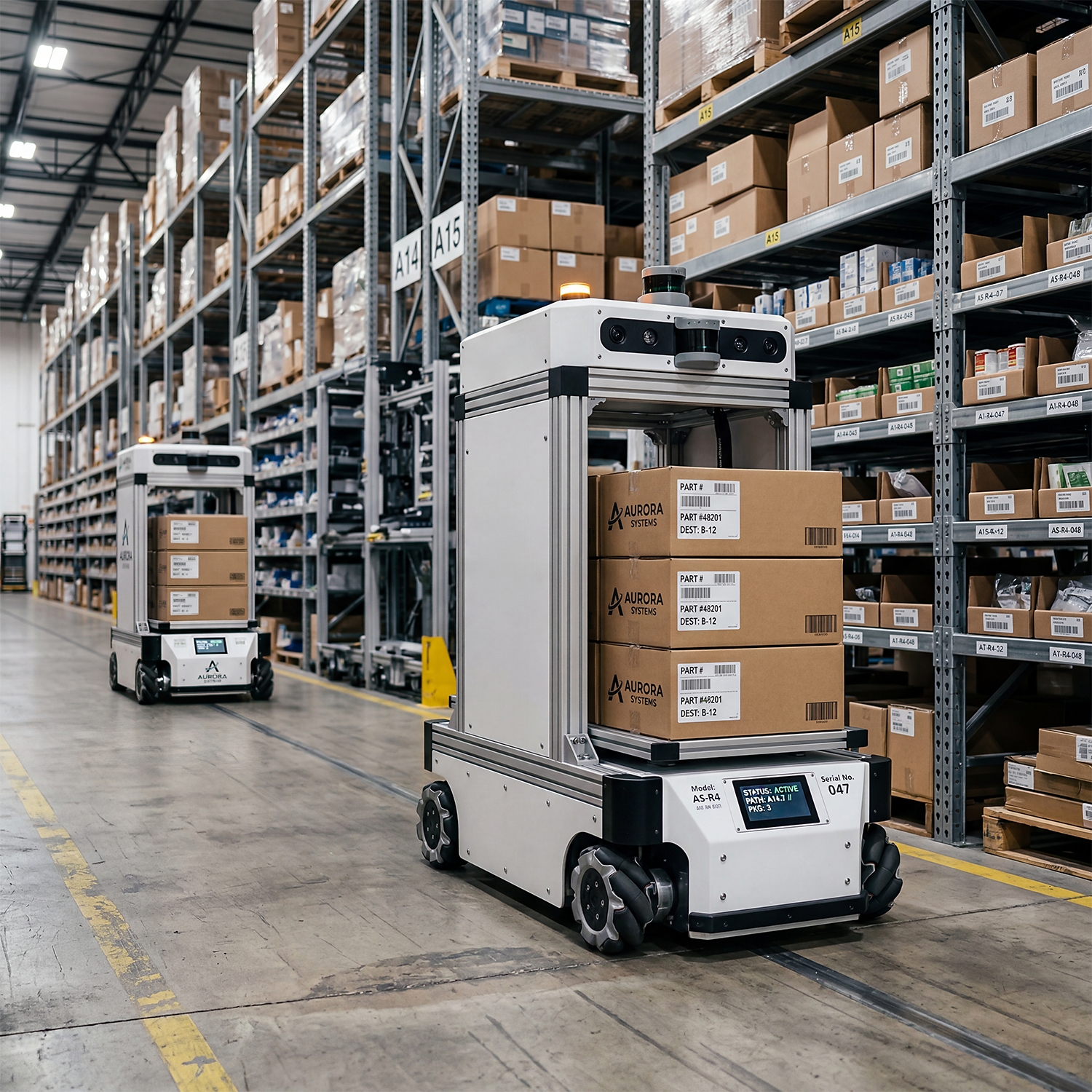
Industrial robots optimize warehouse operations, moving heavy items, packaging products, and sorting materials efficiently. Automated logistics reduce labor costs, speed up supply chains, and improve workplace safety.
4. Welding, Cutting, and Machining
Robotic arms perform welding, cutting, and machining tasks with unmatched accuracy. Consistent quality, minimal waste, and reduced human risk make these robots indispensable in heavy industry and fabrication processes.
5. Collaborative Robots (Cobots)
Collaborative robots work safely alongside humans, assisting with assembly, inspection, and repetitive tasks. Cobots enhance productivity without replacing human operators, creating a balanced and efficient workflow in modern factories.
Benefits of Industrial Robots
-
Increased Efficiency: Automate repetitive tasks to save time and resources
-
Precision and Consistency: Ensure high-quality output and minimize errors
-
Enhanced Safety: Reduce workplace hazards by performing dangerous tasks
-
Cost Savings: Lower labor costs and reduce material waste
-
Flexibility: Adaptable to various tasks and easily integrated into production lines
Investing in industrial robots allows businesses to maximize production, improve quality, and maintain a competitive edge in the era of smart manufacturing.
Buying Industrial Robots
Choosing the right industrial robot requires understanding the specific needs of your operation. Factors include payload capacity, range of motion, precision, and integration with existing production systems. Leading suppliers offer a range of AI-powered industrial robots, robotic arms, and cobots, tailored to various industries and applications. Proper selection ensures optimal performance, efficiency, and ROI for your factory or manufacturing facility.
The Future of Industrial Robots
Industrial robots are not just machines—they are essential partners in modern manufacturing, driving innovation, productivity, and operational excellence. From assembly and welding to logistics and quality inspection, industrial robots provide intelligent automation solutions that enhance efficiency, reduce costs, and improve safety. By integrating AI-driven industrial robotics, manufacturers can stay ahead of the curve, meet growing production demands, and transform their facilities into smart, future-ready factories.