研究 Robots:Robots International 中文目录,用于比较方案、准备报价并安排国际采购。

研究 Robots

研究 Robots

Robots International 的 研究 Robots 分类汇集与 机器人解决方案 相关的产品、品牌、配件或资源,适合需要比较机器人方案、租赁选项或国际报价的专业客户。

目录路径:商店 > 解决方案 > Educational Robots > 研究 Robots。此中文页面用于快速了解相关类别,同时不改变产品页面中发布的技术规格、型号信息或配置数据。

评估与集成

在采购前,Robots International 可协助评估使用场景、运行环境、安全要求、配置选项、配件兼容性以及培训或维护需求。

国际采购

对于专业项目,报价请求可包含供货情况、交期、运输、进口文件、合规要求以及到目的地国家的物流支持。

Questions

Your Question:

Research Robots: Advancing Science and Innovation with AI-Powered Robotics
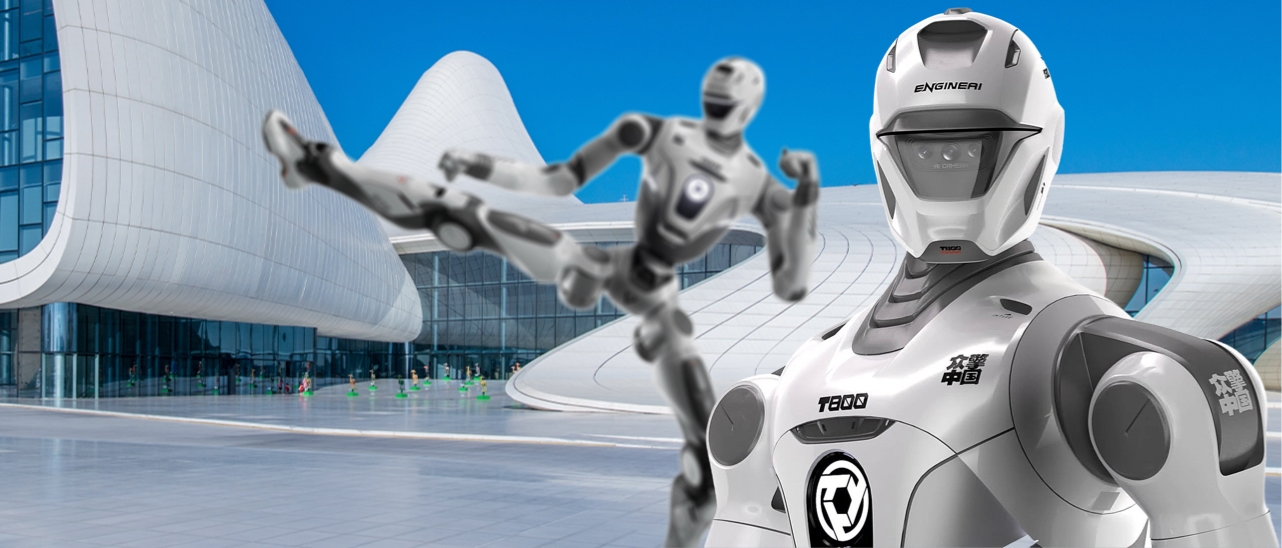
Research robots are transforming the way scientists, engineers, and innovators conduct experiments, collect data, and develop cutting-edge technologies. By combining artificial intelligence, automation, and precise robotics engineering, these robots provide unparalleled capabilities for research institutions, universities, laboratories, and innovation centers. Designed for versatility, accuracy, and adaptability, research robots are crucial tools for accelerating discovery and pushing the boundaries of knowledge in fields such as AI, robotics, engineering, and applied sciences.


What Are Research Robots?

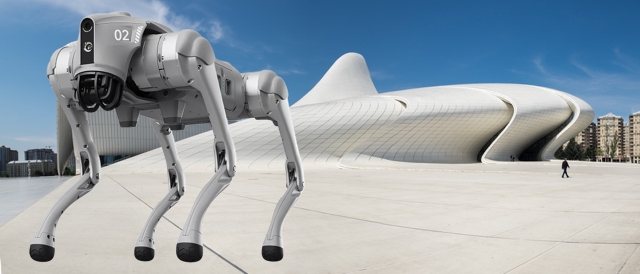
Research robots are specially designed robotic systems used to support experiments, testing, and innovation. They can range from humanoid robots for human-robot interaction studies to quadruped robots for mobility and terrain research. Equipped with sensors, AI algorithms, and automation software, research robots can:

  • Perform repetitive or precise laboratory tasks with accuracy

  • Collect and analyze data efficiently

  • Simulate real-world scenarios for experimentation

  • Interact with humans for behavioral and robotics studies

  • Adapt autonomously to changing experimental conditions

These capabilities make research robots indispensable for institutions that aim to enhance productivity, reliability, and scientific innovation.


Applications of Research Robots

1. Academic Research

Universities and technical institutions use research robots to teach robotics, artificial intelligence, and engineering concepts. Students can program and experiment with robots to understand robotics mechanics, AI behavior, and data-driven decision-making, making learning interactive and practical.

2. Laboratory Automation

Research robots streamline laboratory work by automating repetitive or high-precision tasks, such as pipetting, sample handling, and environmental monitoring. This not only reduces human error but also speeds up experimentation and increases reproducibility of results.

3. Robotics and AI Development

Research robots provide an ideal platform for testing AI algorithms, robotic motion planning, and machine learning models. Engineers can experiment in controlled environments before deploying robots in real-world applications, advancing innovation in industrial, service, and exploration robotics.

4. Healthcare and Biomedical Research

Robots are increasingly used in biomedical research for assisting in surgeries, patient monitoring, and lab experiments. With precise motion control and data collection capabilities, research robots enhance the accuracy of experiments and accelerate medical innovation.

5. Exploration and Environmental Research

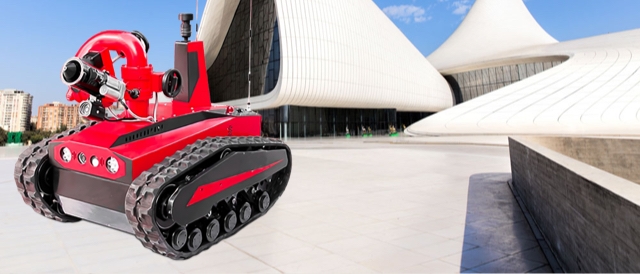
Quadruped or mobile research robots allow scientists to study difficult terrains, underwater environments, and hazardous areas safely. These robots gather critical environmental data, helping researchers make informed decisions while reducing risks to human personnel.


Why Choose Research Robots?

Investing in research robots offers numerous advantages:

  • Precision and Accuracy: Conduct experiments with minimal error

  • Efficiency and Automation: Save time on repetitive or labor-intensive tasks

  • Versatility: Suitable for laboratories, universities, and field research

  • AI Integration: Test and implement advanced algorithms for robotics and automation

  • Innovation: Empower scientists, engineers, and institutions to stay at the forefront of technological advancement

By integrating research robots into labs and institutions, organizations can achieve higher productivity, better data accuracy, and accelerated innovation across multiple scientific and engineering fields.


Buying Research Robots

Acquiring research robots requires careful consideration of factors such as mobility, AI capabilities, programming interfaces, and adaptability to research needs. Leading suppliers offer humanoid, quadruped, and specialized research robots tailored for specific laboratory, academic, or industrial applications. Choosing the right research robot ensures maximum ROI, efficiency, and scalability for your innovation projects.


Conclusion: The Future of Research Robots

Research robots are not just tools—they are intelligent partners in scientific discovery and technological advancement. From education and laboratory automation to AI development and environmental exploration, research robots provide versatile, reliable, and advanced solutions for modern research. By investing in AI-powered research robots, institutions and innovators can accelerate experimentation, enhance accuracy, and drive breakthroughs in robotics and applied sciences.