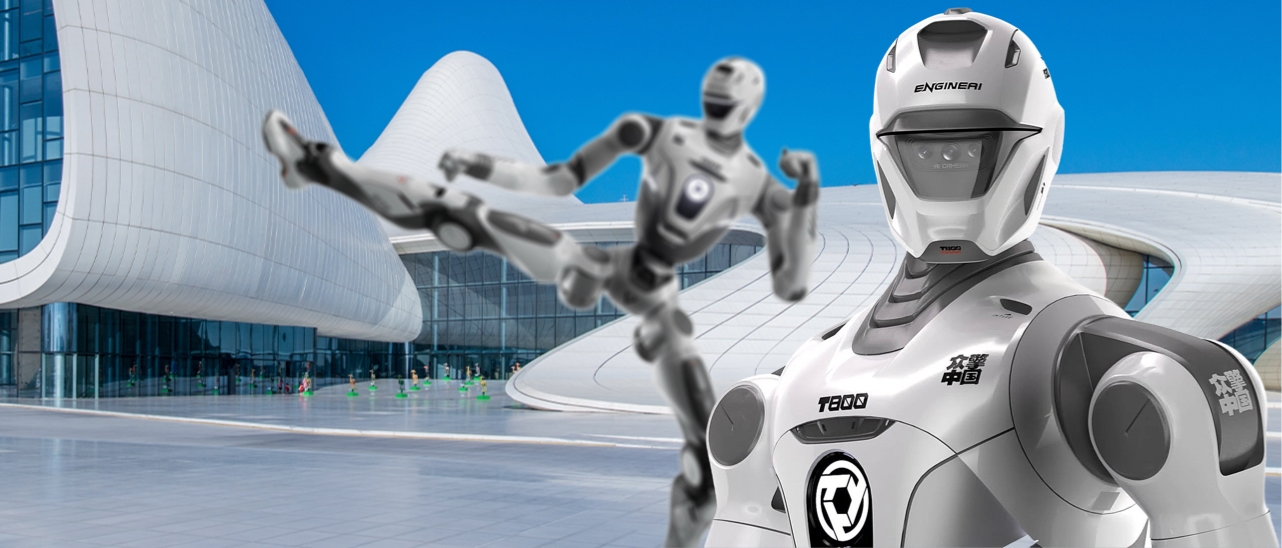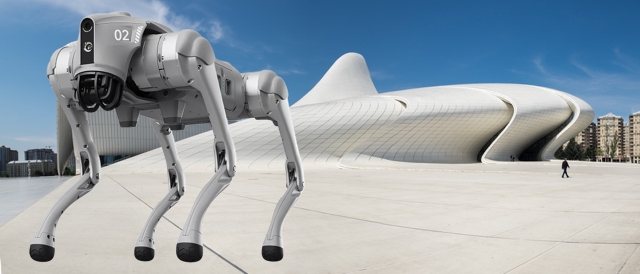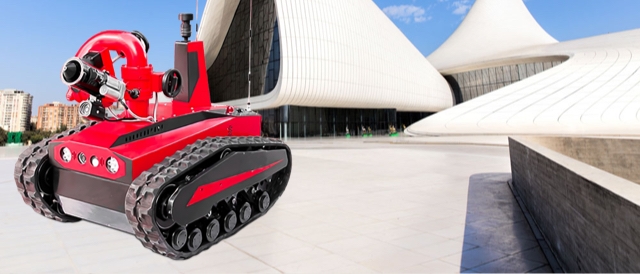
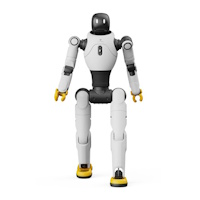
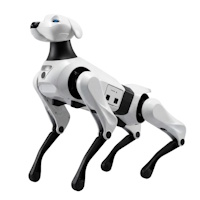
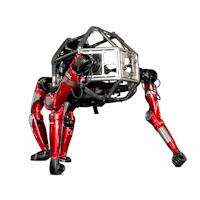
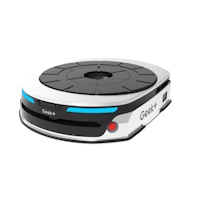

Shop robots are robots used in retail and store environments to carry out practical tasks such as floor cleaning, inventory checking, shelf scanning, customer guidance, internal delivery, and store monitoring. In formal robotics language, most of these systems fall under the category of professional service robots, which the International Federation of Robotics defines as service robots built for use by trained professional operators.IFR also classifies autonomous mobile robots within this professional service robot category.
Shop Robots
Shop robots usually refers to robots operating in supermarkets, convenience stores, department stores, shopping centers, pharmacies, and large-format retail spaces. These robots are not factory robots. They are designed for human-facing commercial settings where they must move safely around shoppers, staff, shelves, carts, and changing floor layouts. IFR’s current service-robot reporting shows continued growth in professional service robots, reflecting broader commercial demand for automation outside traditional manufacturing.
The interest in shop robots comes from a mix of labor pressure, operational complexity, and the need for better in-store visibility. Retailers increasingly want tools that can automate repetitive tasks while giving staff more time for customer service, merchandising, and exception handling. Brain Corp, whose technology is used in autonomous commercial machines, describes retail robots as tools for inventory tracking and labor-intensive store tasks, while retail-focused industry analysis points to roles such as inventory management, warehouse support, and customer-experience enhancement.
Design and Features
Mobility and store navigation
Most shop robots are mobile. They move through aisles, around endcaps, along wide floor areas, or between back-of-house and front-of-house zones. NIST describes mobile robots as machines that can move autonomously to accomplish their goals, and that general description fits many retail robots well. In stores, this mobility is essential because the environment is dynamic and filled with people and obstacles.
Sensors and perception
Shop robots typically use combinations of cameras, lidar, depth sensors, proximity sensors, and onboard software to detect shelves, pathways, obstacles, and people. These systems need reliable situational awareness because retail environments are less structured than warehouses and must remain safe for public use. NIST’s robotics measurement work emphasizes the importance of test methods and performance metrics for key robotic attributes, which is especially relevant in public commercial spaces.
Task-specific hardware
Retail robots are usually built for a specific operational role. A floor-cleaning robot will have scrubbers, suction systems, and route-planning software. An inventory robot may carry shelf-scanning sensors and cameras. A customer-service robot may include a display, speakers, microphones, and interaction software. Brain Corp specifically highlights inventory tracking and floor-care automation as retail use cases, which shows how specialized these machines often are.
Technology and Specifications
There is no single technical specification that defines all shop robots because the category covers several robot types. Still, most systems share a common technical foundation: autonomous or semi-autonomous navigation, obstacle detection, route management, data collection, and task execution tied to a store workflow. IFR’s service-robot framework and NIST’s mobile-robot research both support this broader understanding of commercial mobile robotics.
For inventory and shelf intelligence, the key technologies are machine vision, image processing, and software that can compare shelf conditions with expected stock or planogram data. Brain Corp states that its retail and warehouse solutions enable autonomous inventory tracking with robots and AI, suggesting that inventory robots are increasingly used as data collection platforms rather than simple movers.
For customer-facing shop robots, the technical emphasis shifts toward interaction. These machines may include voice output, touchscreens, guided-route behavior, and simple question-and-answer capability. IFR’s discussion of professional service robots includes hospitality and mobile guidance applications, which aligns with the use of robots as greeters or guides in large retail environments.
Applications and Use Cases
Floor cleaning and maintenance
One of the most common uses of shop robots is autonomous floor care. Large stores need regular cleaning across long operating hours, and cleaning is repetitive, measurable, and well suited to automation. Retail buyer guidance for robotic floor scrubbers notes that robots can help retailers gain more control over cleaning while freeing staff for other work.
Inventory scanning and shelf intelligence
Inventory visibility is one of the strongest arguments for shop robots. Robots can patrol aisles, capture shelf data, identify stock gaps, and help retailers monitor whether products are in the right place. Brain Corp’s retail material explicitly describes autonomous inventory tracking in retail and warehouse settings as a way to drive efficiency and improve customer satisfaction.
Customer guidance and in-store assistance
Some shop robots are designed to greet customers, guide them to departments, promote products, or provide simple store information. IFR’s market reporting includes hospitality and mobile guidance robots within professional service robotics, which supports this customer-facing category. These systems are more common in larger stores, malls, and promotional settings than in small independent shops.
Internal delivery and stock movement
Retail stores also use robots for internal transport, especially in large-format environments where goods, returns, or supplies must move from storage areas to sales floors. This overlaps with warehouse robotics, and many autonomous mobile robots used in commercial settings can be adapted to retail support tasks. IFR’s treatment of AMRs as professional service robots helps frame this use case.
Advantages / Benefits
A major benefit of shop robots is labor efficiency. Retail work includes many repetitive tasks that are important but do not always require continuous human judgment. Robots can handle parts of floor care, scanning, or transport, leaving staff more time for customer interaction and exception handling. Industry analysis of retail robotics repeatedly points to this blending of human and robotic workforces.
Another benefit is consistency. A robot can follow the same route, scan the same aisles, or clean the same zones with less variation than manual spot checks. That consistency is valuable in large stores where missed sections, delayed checks, or uneven task quality can affect both operations and customer experience.
A third benefit is better data. Inventory and shelf robots can turn store aisles into measurable information sources rather than relying only on periodic human audits. That can help stores respond faster to out-of-stocks, misplaced products, or merchandising problems. Brain Corp’s inventory-tracking claims are a clear example of this data-driven value proposition.
FAQ Section
What are shop robots?
Shop robots are robots used in retail stores and shopping environments to perform tasks such as cleaning, inventory scanning, guidance, delivery, and other repetitive in-store operations. In formal robotics terms, most fall under professional service robots.
How do shop robots work?
They usually combine mobility, sensors, software, and task-specific hardware. A shop robot may navigate autonomously, avoid people and obstacles, collect data from shelves, clean floors, or interact with customers depending on its role.
Why are shop robots important?
They are important because they help stores address labor shortages, improve consistency, automate repetitive work, and generate better operational data. Current IFR reporting shows continued growth in professional service robots, which reflects this broader commercial demand.
What are the benefits of shop robots?
Their main benefits include labor savings, more consistent task execution, better in-store data collection, improved shelf visibility, and stronger support for staff in large retail environments.
Are shop robots replacing store workers?
Current evidence suggests they are more often used to support staff than to eliminate human roles entirely. Retail-robotics analysis commonly describes robots as handling repetitive store functions so human employees can focus on more complex customer interactions and operational decisions.
Summary
Shop robots are retail-focused professional service robots used to automate cleaning, scanning, movement, and customer-facing tasks inside stores. They are part of the broader shift toward commercial robotics in public environments and are most valuable where retailers need more consistent operations, better inventory visibility, and relief from repetitive labor demands. As retail automation matures, shop robots are becoming less of a novelty and more of a practical tool for large, data-driven store operations.