البحث Robots: قسم عربي من Robots International للمقارنة وطلب العروض وتنظيم الشراء الدولي.
البحث Robots
البحث Robots
تجمع فئة البحث Robots من Robots International منتجات أو علامات أو ملحقات أو موارد مرتبطة بـ حلول الروبوتات للعملاء المهنيين الذين يقارنون حلول الروبوتات أو خيارات التأجير أو طلبات العروض الدولية.
مسار الكتالوج: المتجر > الحلول > Educational Robots > البحث Robots. تساعد هذه الصفحة العربية على مراجعة الفئة المناسبة دون تغيير المواصفات التقنية أو بيانات النماذج المنشورة في صفحات المنتجات.
التقييم والتكامل
قبل الطلب، يمكن لـ Robots International المساعدة في تقييم الاستخدام المقصود، بيئة التشغيل، متطلبات السلامة، خيارات التكوين، توافق الملحقات واحتياجات التدريب أو الصيانة.
الشراء الدولي
للمشاريع المهنية، قد تشمل طلبات الأسعار التوفر، المهل الزمنية، النقل، مستندات الاستيراد، متطلبات الامتثال والدعم اللوجستي إلى بلد الوجهة.
Research Robots: Advancing Science and Innovation with AI-Powered Robotics
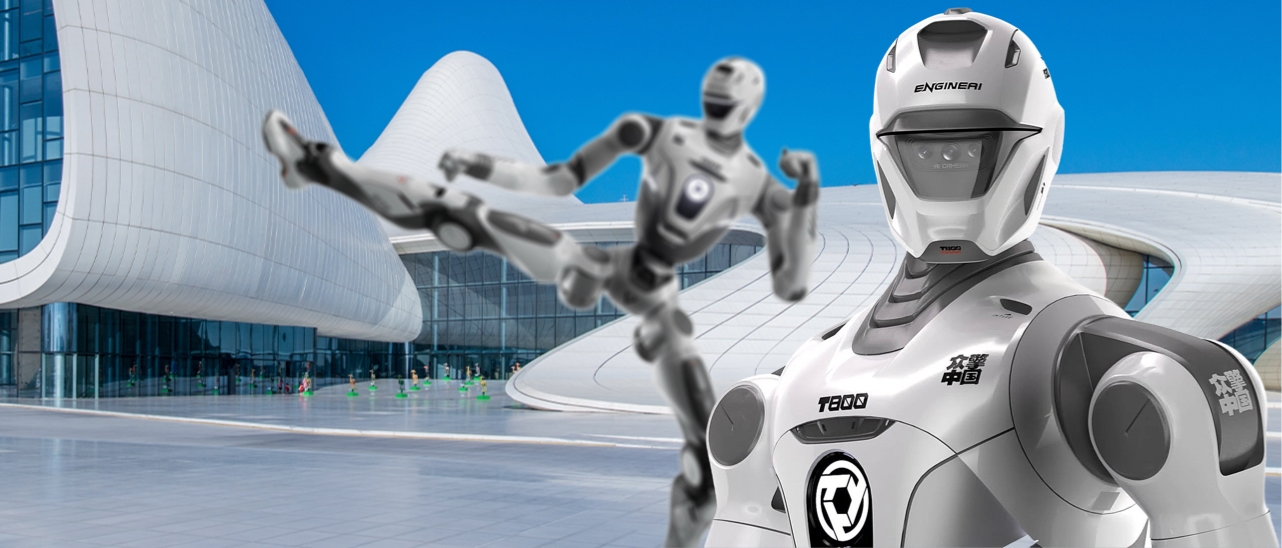
Research robots are transforming the way scientists, engineers, and innovators conduct experiments, collect data, and develop cutting-edge technologies. By combining artificial intelligence, automation, and precise robotics engineering, these robots provide unparalleled capabilities for research institutions, universities, laboratories, and innovation centers. Designed for versatility, accuracy, and adaptability, research robots are crucial tools for accelerating discovery and pushing the boundaries of knowledge in fields such as AI, robotics, engineering, and applied sciences.
What Are Research Robots?
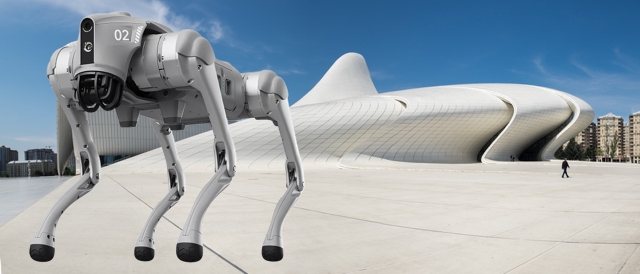
Research robots are specially designed robotic systems used to support experiments, testing, and innovation. They can range from humanoid robots for human-robot interaction studies to quadruped robots for mobility and terrain research. Equipped with sensors, AI algorithms, and automation software, research robots can:
-
Perform repetitive or precise laboratory tasks with accuracy
-
Collect and analyze data efficiently
-
Simulate real-world scenarios for experimentation
-
Interact with humans for behavioral and robotics studies
-
Adapt autonomously to changing experimental conditions
These capabilities make research robots indispensable for institutions that aim to enhance productivity, reliability, and scientific innovation.
Applications of Research Robots
1. Academic Research
Universities and technical institutions use research robots to teach robotics, artificial intelligence, and engineering concepts. Students can program and experiment with robots to understand robotics mechanics, AI behavior, and data-driven decision-making, making learning interactive and practical.
2. Laboratory Automation
Research robots streamline laboratory work by automating repetitive or high-precision tasks, such as pipetting, sample handling, and environmental monitoring. This not only reduces human error but also speeds up experimentation and increases reproducibility of results.
3. Robotics and AI Development
Research robots provide an ideal platform for testing AI algorithms, robotic motion planning, and machine learning models. Engineers can experiment in controlled environments before deploying robots in real-world applications, advancing innovation in industrial, service, and exploration robotics.
4. Healthcare and Biomedical Research
Robots are increasingly used in biomedical research for assisting in surgeries, patient monitoring, and lab experiments. With precise motion control and data collection capabilities, research robots enhance the accuracy of experiments and accelerate medical innovation.
5. Exploration and Environmental Research
Quadruped or mobile research robots allow scientists to study difficult terrains, underwater environments, and hazardous areas safely. These robots gather critical environmental data, helping researchers make informed decisions while reducing risks to human personnel.
Why Choose Research Robots?
Investing in research robots offers numerous advantages:
-
Precision and Accuracy: Conduct experiments with minimal error
-
Efficiency and Automation: Save time on repetitive or labor-intensive tasks
-
Versatility: Suitable for laboratories, universities, and field research
-
AI Integration: Test and implement advanced algorithms for robotics and automation
-
Innovation: Empower scientists, engineers, and institutions to stay at the forefront of technological advancement
By integrating research robots into labs and institutions, organizations can achieve higher productivity, better data accuracy, and accelerated innovation across multiple scientific and engineering fields.
Buying Research Robots
Acquiring research robots requires careful consideration of factors such as mobility, AI capabilities, programming interfaces, and adaptability to research needs. Leading suppliers offer humanoid, quadruped, and specialized research robots tailored for specific laboratory, academic, or industrial applications. Choosing the right research robot ensures maximum ROI, efficiency, and scalability for your innovation projects.
Conclusion: The Future of Research Robots
Research robots are not just tools—they are intelligent partners in scientific discovery and technological advancement. From education and laboratory automation to AI development and environmental exploration, research robots provide versatile, reliable, and advanced solutions for modern research. By investing in AI-powered research robots, institutions and innovators can accelerate experimentation, enhance accuracy, and drive breakthroughs in robotics and applied sciences.