
AgiBot RAISE A1 Intelligent robot humanoide
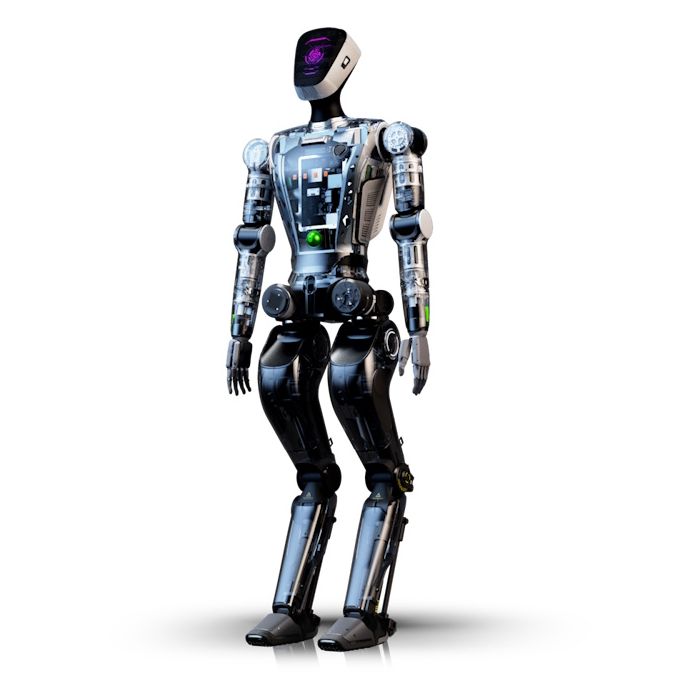
Disponible
- MARCA:
- AGIBOT
- MODELO:
- RAISE A1
- ORIGIN:
- China
- AVAILABILITY:
- USUALLY SHIPS IN 7-14 BUSINESS DAYS
- SKU:
- AgiBot-RAISE-A1
Descripción general
AgiBot RAISE A1 Intelligent robot humanoide es una humanoide seleccionada para organizaciones que necesitan evaluar robótica avanzada con una visión internacional. En Robots International el enfoque no se limita a listar un equipo: ayudamos a entender dónde encaja, qué capacidades deben verificarse y qué preguntas conviene resolver antes de comprar, importar o integrar una solución robótica en un entorno real.
El producto se referencia internamente como SKU AgiBot-RAISE-A1 y forma parte de la familia Robots humanoides. La denominación de fabricante o modelo original, cuando aplica, se conserva para evitar confusión técnica: AgiBot RAISE A1 Intelligent robot humanoide. A partir de esa base, esta página presenta el equipo en español para equipos de compras, integradores, laboratorios, universidades y responsables de operaciones que trabajan en varios países o con documentación multilingüe.
Aplicaciones típicas
Las aplicaciones más habituales incluyen pilotos de I+D, demostraciones ejecutivas, asistencia operativa y automatización flexible. Según el proyecto, AgiBot RAISE A1 Intelligent robot humanoide puede utilizarse para validar un caso de uso, preparar una demostración, formar a un equipo técnico, comparar alternativas de mercado o construir una solución más amplia con software, accesorios, sensores, estaciones de carga, herramientas de control y procedimientos de seguridad.
En contextos comerciales, la decisión de compra suele depender de factores como autonomía, carga útil, movilidad, facilidad de programación, disponibilidad de repuestos, compatibilidad con el entorno existente y soporte posterior a la entrega. En contextos de investigación, pesan más la apertura de la plataforma, la documentación, el acceso a SDK/API, la repetibilidad de las pruebas y la posibilidad de modificar comportamientos sin comprometer la seguridad.
Evaluación técnica
Para evaluar esta humanoide, recomendamos revisar de forma ordenada las capacidades de movilidad bípeda, interacción natural y operación en entornos diseñados para personas. La ficha técnica del fabricante, las opciones instaladas, el firmware, la compatibilidad regional y los accesorios disponibles pueden variar por lote o por configuración. Por eso, antes de confirmar una compra internacional, conviene validar el alcance exacto de suministro y las condiciones de uso previstas.
También es importante distinguir entre una demostración controlada y un despliegue operativo. Un robot que funciona bien en un laboratorio puede requerir ajustes de navegación, protección física, protocolos de carga, formación de operadores y pruebas de aceptación antes de trabajar en una instalación con público, tráfico interno, polvo, humedad, pendientes, señalización variable o normas de seguridad específicas.
Integración y operación
Robots International puede apoyar la conversación técnica entre el comprador, el integrador y los fabricantes o distribuidores correspondientes. El objetivo es definir expectativas realistas: qué tareas hará el robot, qué tareas seguirán siendo humanas, qué datos deben registrarse, cómo se gestionará el mantenimiento y quién tendrá responsabilidad sobre la operación diaria.
En muchos proyectos internacionales, la integración incluye documentación en varios idiomas, embalaje, coordinación logística, revisión de requisitos eléctricos, conectividad, formación remota, puesta en marcha y una estrategia de soporte. Si el proyecto requiere varios equipos, accesorios o una configuración especial, conviene preparar una especificación breve antes de solicitar precio final.
Seguridad, responsabilidad y cumplimiento
La robótica profesional debe implantarse con criterios de seguridad. Para AgiBot RAISE A1 Intelligent robot humanoide, el comprador debe revisar límites de velocidad, zonas de operación, parada de emergencia, supervisión humana, políticas de acceso, protección de datos, condiciones ambientales y cualquier requisito local aplicable. La idoneidad final depende del país, del sector y de la forma concreta de uso.
Los robots, sensores y accesorios pueden estar sujetos a restricciones de exportación, disponibilidad regional, certificaciones, documentación aduanera o requisitos de transporte. Robots International puede ayudar a identificar esos puntos durante el proceso comercial, pero la validación normativa definitiva corresponde al comprador y a sus responsables técnicos o legales.
Compra internacional y consultoría de proyecto
Para compradores hispanohablantes, el valor de Robots International está en combinar catálogo, orientación técnica y coordinación de abastecimiento. Podemos ayudar a comparar esta humanoide con alternativas similares, revisar configuraciones, preparar una cotización, coordinar tiempos de entrega y aclarar qué información falta antes de comprometer presupuesto.
Si el proyecto está en una fase temprana, recomendamos compartir el país de destino, aplicación prevista, entorno de uso, cantidad estimada, plazo, presupuesto aproximado y cualquier requisito de integración. Con esos datos es más fácil determinar si AgiBot RAISE A1 Intelligent robot humanoide es la opción adecuada o si conviene considerar otro robot, sensor, accesorio o paquete de servicio.
FAQ
¿AgiBot RAISE A1 Intelligent robot humanoide está disponible para envío internacional?
La disponibilidad depende del fabricante, del inventario, de la configuración solicitada y del país de destino. Robots International puede revisar el caso y preparar una cotización con logística estimada cuando se confirma el alcance.
¿Puedo solicitar asesoría antes de comprar?
Sí. Para proyectos profesionales es recomendable revisar aplicación, entorno, integración, seguridad y soporte antes de cerrar la compra. Una breve descripción del caso de uso acelera mucho la recomendación.
¿La página sustituye la ficha técnica oficial?
No. Esta descripción en español ayuda a orientar la evaluación comercial y técnica. Las especificaciones finales deben confirmarse con documentación vigente del fabricante y con la configuración exacta cotizada.
¿Se puede integrar con software o accesorios adicionales?
En muchos casos sí, pero depende de interfaces disponibles, SDK, sensores, controladores, firmware, accesorios y permisos del fabricante. La integración debe evaluarse según el proyecto y el entorno operativo.
Resumen
AgiBot RAISE A1 Intelligent robot humanoide es una opción relevante dentro de AgiBot, humanoides, humanoides bípedos para organizaciones que buscan evaluar, comprar o desplegar robótica profesional con soporte de orientación internacional. Solicite una cotización si necesita confirmar precio, plazo, configuración, accesorios o viabilidad para un proyecto concreto.