Logistics Robots
Logistics Robots: Types, Use Cases, Costs & Benefits (Complete Guide)
Logistics robots automate the movement, sorting, storage, and retrieval of goods across the supply chain - in warehouses, distribution centers, fulfillment hubs, cross-dock facilities, and last-mile delivery environments. The logistics sector is one of the most active robotics markets globally, driven by the intersection of e-commerce growth, structural labor shortages, and the economic pressure to reduce cost-per-unit-shipped.
The logistics automation market is broad. It spans autonomous mobile robots sorting packages on conveyor crossbelts, massive automated storage and retrieval systems stacking pallets 30 meters high, humanoid robots unloading trailers, delivery drones dropping packages at doorsteps, and sidewalk robots completing the last 500 meters of delivery. Each of these is a logistics robot. The category is unified by the goal: moving goods from one place to another, faster and cheaper than human labor alone.
Types of Logistics Robots
Autonomous Mobile Robots (AMRs)
Flat, sensor-navigated robots that move totes, carts, shelving units, and pallets within warehouse and fulfillment facilities. They navigate autonomously using SLAM, avoiding obstacles and coordinating through fleet management software. Geek+, Locus Robotics, and 6 River Systems are major players.
Automated Guided Vehicles (AGVs)
Track-following transport vehicles that move goods along fixed routes in high-volume, repetitive logistics flows. Simpler and lower-cost than AMRs for predictable point-to-point transport in stable environments.
Goods-to-Person (GTP) Systems
Robotic systems that bring storage units (pods, bins, shelves) to stationary human pickers, eliminating picker travel. Amazon Robotics (Kiva), Geek+, Hai Robotics, and Quicktron operate large GTP deployments globally.
Automated Sorting Robots
Robotic arms and gantry systems sort packages, parcels, and items at sorting hubs and distribution centers. Cross-belt sorters, tilt-tray sorters, and robotic divert arms are standard equipment in large parcel networks.
Autonomous Forklifts
Robot-guided pallet movers and reach trucks operate in warehouse aisles and loading dock areas, moving pallet loads without a human driver. Seegrid, Movu Robotics, and Linde MH are active in this segment.
Trailer Unloading Robots
The "truck unloading problem" - unloading mixed, unpalletized cartons from the back of trailers - has been one of the harder robotics challenges. Berkshire Grey, Mujin, and Dextrous Robotics are developing systems for this task.
Delivery Robots (Sidewalk)
Ground-level autonomous delivery robots for the final leg of e-commerce and food delivery. Starship Technologies, Serve Robotics, and Kiwibot operate in defined urban areas.
Delivery Drones (UAVs)
Aerial delivery for parcels and food in areas where drone operations are approved. Amazon Prime Air, Wing (Google/Alphabet), and Zipline are leading operators. Regulatory frameworks remain the main constraint on scale.
Humanoid Logistics Robots
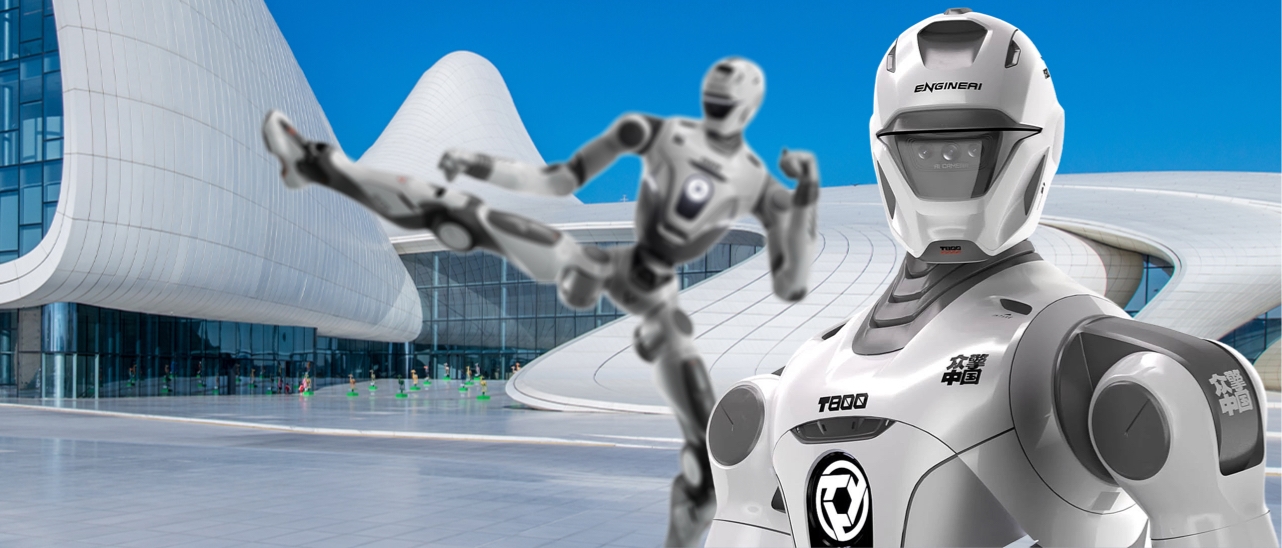
Emerging category: humanoid robots capable of handling the unstructured material handling tasks in logistics - unloading mixed pallets, moving non-standard goods, and navigating the full variety of warehouse environments. Agility Digit deployed in Amazon facilities is an early example.
Use Cases of Logistics Robots
Order Picking and Fulfillment
The labor-intensive core of e-commerce fulfillment. Goods-to-person AMRs, picking cobots, and robotic piece-picking systems reduce the labor content of picking individual items for orders. AMR-assisted picking (robots carry totes, humans pick items) is the most widely deployed model.
Sortation
Sorting inbound and outbound shipments by destination, carrier, or delivery zone at distribution hubs. Automated sortation systems handle volumes that would require hundreds of human sorters, at higher speed and accuracy.
Palletizing and Depalletizing
High-payload robot arms build outbound pallet loads from case-level goods and break down inbound pallet loads for put-away. End-of-line palletizing is one of the most mature and widespread robot applications in logistics.
Storage and Retrieval (ASRS)
Automated storage and retrieval systems - vertical and horizontal carousels, mini-load systems, and cube storage systems (Autostore, Ocado) - dramatically increase storage density and retrieval speed compared to conventional racking.
Cross-Docking
High-speed sorting and re-routing of inbound shipments for outbound dispatch without storage. Robotic sortation and conveyor automation are essential for cross-dock facilities operating at parcel network speeds.
Last-Mile Delivery
Sidewalk robots and delivery drones cover the final distance from local depot or store to customer address - the most expensive segment of the delivery chain by cost per unit delivered.
Returns Processing
Processing returned e-commerce orders is labor-intensive and unpredictable. Vision-guided robots that inspect, sort, and re-route returned items are a growing application.
Industries That Use Logistics Robots
E-Commerce
The primary driver of logistics robot investment globally. Amazon, Alibaba/Cainiao, Zalando, ASOS, and thousands of 3PL operators run large robot fleets for order fulfillment.
Parcel and Express Delivery
UPS, FedEx, DHL, and national postal services use automated sortation and parcel handling in their hub and spoke networks.
Retail Distribution
Grocery retailers, department stores, and specialty retailers automate replenishment distribution from national DCs to store networks.
Pharmaceuticals
Cold chain logistics, unit-dose dispensing, and hospital pharmacy automation require precise, documented material handling.
Food and Beverage Distribution
Chilled and ambient grocery distribution uses AMRs, automated picking, and robotic palletizing at temperatures that challenge human workers.
Third-Party Logistics (3PL)
3PL operators use flexible robot deployments to offer competitive fulfillment services to e-commerce brands without those brands needing their own robotic facilities.
Benefits of Logistics Robots
Labor Cost Reduction at Scale
The economics of logistics robot adoption are driven primarily by labor cost. AMR-assisted picking cuts labor hours per unit picked by 40-70%. Automated sortation eliminates the need for large human sortation workforces. In markets with $20-35/hour logistics labor costs, ROI is achievable within 2-3 years at scale.
Speed and Throughput
Automated systems process units continuously at defined speeds - no breaks, no pace variation. GTP systems can achieve picking rates of 400-800 units per hour per picker station vs. 80-120 for manual picking with travel. Sortation robots process 20,000-40,000 items per hour per line.
Accuracy
Robotic picking and sortation achieve accuracy rates of 99.9%+ compared to typical human accuracy of 99.5% on well-designed manual systems. In high-volume operations, the 0.4% difference represents tens of thousands of errors per day.
Scalability
Robot fleet capacity scales with demand. Adding 20% more capacity for a peak season means deploying more robots - no hiring, training, or onboarding required.
Operational Hours
Robots operate nights, weekends, and holidays without overtime cost or scheduling complexity. Extended operating hours directly increase throughput capacity without proportional cost increase.
Worker Safety
Logistics work has high injury rates: heavy lifting, repetitive motion, vehicle traffic exposure. Robots handle the heaviest and most repetitive tasks, reducing injury incidents and workers' compensation costs.
Challenges & Limitations of Logistics Robots
SKU Complexity and Variability
Robots handle well-defined goods in predictable presentations reliably. The long tail of e-commerce SKUs - irregular shapes, soft goods, fragile items, unlabeled returns - continues to challenge automation. Mixed-case depalletizing and returns processing remain partially manual in most operations.
Integration Complexity
Connecting robot fleets to WMS, OMS, and ERP systems requires significant integration engineering. Mature, well-documented APIs are not universal across robot vendors.
Real Estate and Infrastructure Requirements
Automated storage systems, conveyor networks, and GTP pods require purpose-built or heavily modified facilities. Deploying in an existing conventional warehouse may require substantial facility investment.
Capital Cost
Large-scale logistics automation requires capital investment of tens to hundreds of millions of dollars for major distribution center deployments. Financing and capital planning complexity is significant.
Regulatory Complexity for Last-Mile Robotics
Sidewalk robots and delivery drones face city-specific operating permit requirements, insurance requirements, and operational restrictions that vary widely by jurisdiction. Scaling last-mile robotics beyond defined geographies requires navigating a fragmented regulatory landscape.
Cost & ROI of Logistics Robots
For up-to-date prices, browse and buy logistics robots for sale here.
AMR systems (mid-scale warehouse): $1,000-$5,000 per robot per month in RaaS (Robot-as-a-Service) models; $30,000-$80,000 per unit to purchase. Full system deployment costs for a 200,000 sq ft fulfillment center typically run $3-8 million including integration.
Automated sortation systems: $2-15 million for a large hub installation.
Robotic palletizing: $150,000-$400,000 per cell.
ASRS (cube storage): $5-50 million for large installations.
ROI payback for well-designed logistics robot deployments in high-volume, high-wage markets: typically 2-4 years. Key drivers are labor cost reduction, throughput increase, and improved accuracy.
Key Technologies Behind Logistics Robots
SLAM Navigation: Real-time mapping and localization for AMRs in dynamic warehouse environments.
Fleet Management Software: Coordinates task allocation, routing, charging, and traffic management for robot fleets of 10-1,000+ units.
Computer Vision and AI Picking: Vision systems and AI-guided grasping algorithms for piece-picking applications. This is the most technically challenging capability in logistics robotics.
WMS Integration: APIs and middleware connecting robot fleet management to warehouse management systems for order release, inventory tracking, and performance reporting.
Conveyor and Sortation Controls: High-speed parcel identification, routing calculation, and divert actuation at sortation hub speeds.
How to Implement Logistics Robots
-
Process flow analysis. Map current labor hours, unit volumes, and error rates across all logistics processes in scope.
-
Opportunity quantification. Calculate labor cost and accuracy savings potential for robot-addressable tasks.
-
Facility assessment. Evaluate floor surface, aisle widths, clear height, power capacity, WiFi coverage, and compliance with fire codes for robot operation.
-
Technology selection. Match robot type to the specific logistics processes targeted - AMR for picking assist, robotic palletizer for end-of-line, ASRS for storage.
-
WMS integration scoping. Define data interfaces and integration requirements.
-
RFP and vendor selection. Issue specifications to qualified vendors. Evaluate on technical capability, integration experience, support infrastructure, and total cost of ownership.
-
Pilot deployment. Deploy in a limited scope area to validate performance before committing to full rollout.
-
Scale and optimize. Expand deployment based on pilot learnings. Optimize fleet parameters and task allocation rules for peak efficiency.
Logistics Robot Safety & Regulations
-
ISO 3691-4: Industrial trucks including driverless trucks and AMRs.
-
ANSI/ITSDF B56.5: North American AGV/AMR safety standard.
-
EN 1525: European driverless industrial truck safety standard.
-
Drone regulations: FAA Part 107 (USA), EASA UAS Regulation (EU), and national equivalents govern commercial drone operations.
-
Sidewalk robot regulations: City and state/provincial level, highly variable. Most sidewalk robot operators work with local authorities to establish pilot operating agreements.
Top Logistics Robot Brands / Companies
|
Company |
Key Platform |
Specialty |
|
Amazon Robotics |
Proteus, Hercules, Robin |
Fulfillment (internal) |
|
Geek+ |
P-series, M-series, A-series |
GTP, sorting, AMR |
|
Locus Robotics |
LocusBot |
Picking assist AMR |
|
6 River Systems (Shopify) |
Chuck |
Picking assist AMR |
|
Hai Robotics |
HAIPICK |
Goods-to-person |
|
Berkshire Grey |
BG-AMR |
Piece picking, sortation |
|
Seegrid |
Palion |
Heavy load AMR |
|
Movu Robotics |
Atlas, Skypod |
ASRS, heavy AMR |
|
Starship Technologies |
Delivery Bot |
Sidewalk delivery |
|
Zipline |
Platform 2 |
Drone delivery |
|
Wing (Alphabet) |
Wing |
Drone delivery |
Overview of the Logistics Robotics Market
The global logistics and warehouse robotics market was valued at approximately $8 billion in 2024 and is projected to exceed $35 billion by 2030, growing at a CAGR of approximately 25%. This makes it one of the fastest-growing segments in all of robotics.
The market is being reshaped by three forces: e-commerce volume growth (driving demand for faster, cheaper fulfillment), labor availability constraints in logistics (structural in many markets due to demographics and wage expectations), and declining robot hardware costs (making the ROI case accessible at smaller scale).
The emergence of humanoid robots capable of unstructured manipulation tasks - trailer unloading, mixed-pallet depalletizing, returns handling - is expected to unlock a second wave of logistics automation over the next 5-10 years, addressing the 30-40% of logistics tasks that current specialized robots cannot handle.
Frequently Asked Questions
What are logistics robots?
Logistics robots are automated systems that move, sort, store, retrieve, and deliver goods across the supply chain - in warehouses, distribution centers, and delivery environments.
What types of logistics robots are most common?
Autonomous mobile robots (AMRs) for warehouse transport, goods-to-person systems for order picking, automated sortation systems for parcel sorting, and robotic palletizers for end-of-line stacking are the most widely deployed types.
How much do logistics robots cost?
Individual AMRs typically cost $30,000-$80,000 to purchase, or $1,000-$5,000/month via Robot-as-a-Service models. Full warehouse automation systems cost from hundreds of thousands to tens of millions of dollars depending on scale and technology.
What is the ROI of logistics robots?
Well-designed deployments in high-volume, high-wage markets typically achieve payback in 2-4 years. Key drivers are labor cost reduction (40-70% reduction in picking labor hours is achievable) and improved throughput and accuracy.
Can logistics robots replace all warehouse workers?
No. Current logistics robots handle well-defined, repetitive tasks reliably. Tasks requiring handling of irregular, unlabeled, or fragile items - and judgment-based exceptions - still need human workers. The practical outcome is a smaller, higher-skilled workforce operating alongside robots.
What is a goods-to-person (GTP) system?
In a GTP system, robots bring shelving units or storage pods to stationary picking stations, rather than workers walking to pick locations. GTP systems achieve picking rates 3-5x higher than manual pick-and-walk methods.
How do logistics robots navigate warehouses?
Most modern logistics AMRs use SLAM (Simultaneous Localization and Mapping) for navigation - building and using a real-time map of the environment without requiring floor markings or physical guides.
Are logistics robots safe around workers?
Logistics robots operating in shared human environments comply with ISO 3691-4 (or equivalent) safety standards, with obstacle detection, speed limiting, and emergency stop capabilities. Proper zone design and operational protocols are required for safe shared operation.
What is Robot-as-a-Service (RaaS)?
RaaS is a subscription or usage-based pricing model for logistics robots, where operators pay per robot per month (or per pick) rather than purchasing hardware outright. This converts capital expenditure to operating expenditure and reduces the barrier to adoption for smaller operations.
Which companies are leading in logistics robotics?
Amazon Robotics, Geek+, Hai Robotics, Locus Robotics, and Berkshire Grey are among the leading platforms. For drone delivery, Zipline and Wing are the most operationally mature. Starship Technologies leads in sidewalk delivery deployment volume.