New Arrivals
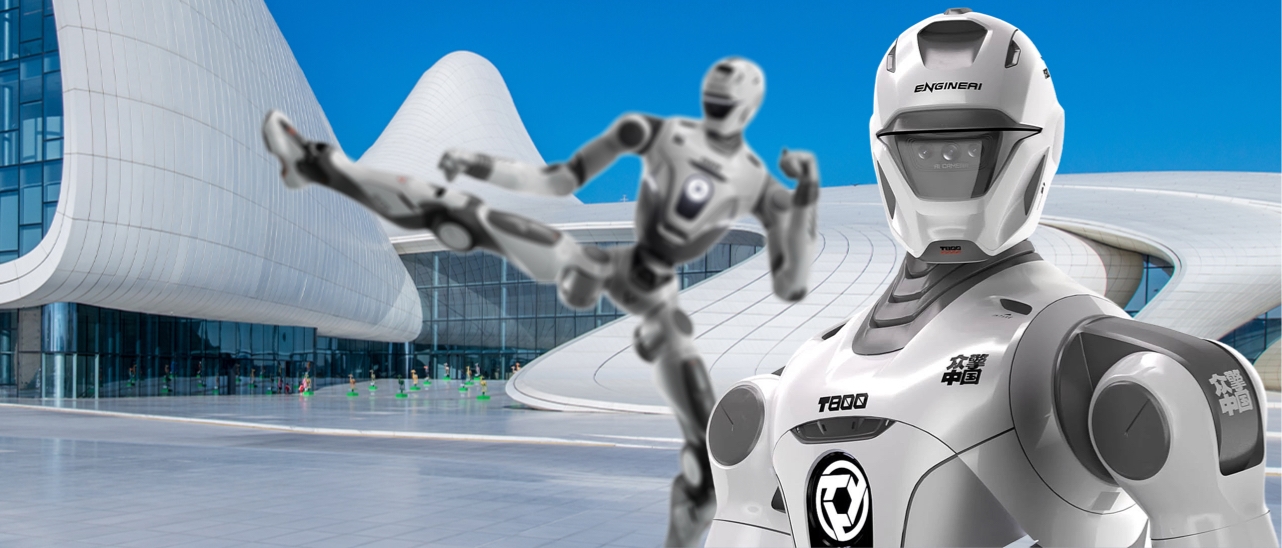
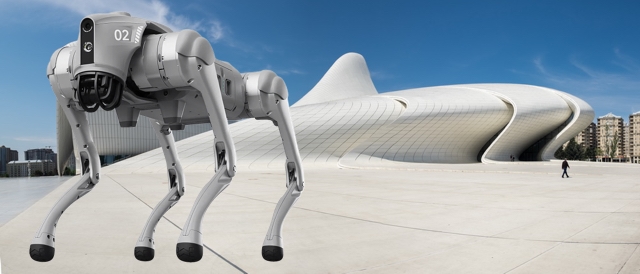
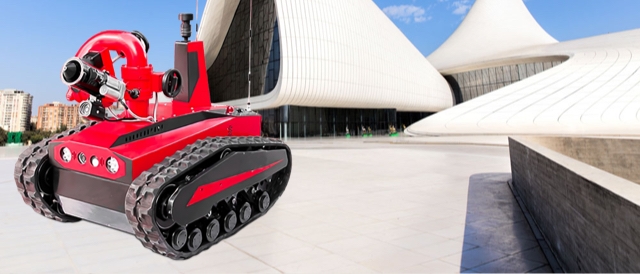
New robots include emerging humanoid, quadruped, service, industrial, educational, drone, and mobile automation platforms.
Introduction / Overview
New Robots represent an important category within modern robotics and automation. The term can describe complete robotic systems, supporting technologies, or commercial solutions depending on the application. In practical use, the category is defined by recent robotics releases, new capabilities, improved sensors, AI software, batteries, mobility, and application readiness. These systems are evaluated not only by appearance or headline specifications, but by how reliably they perform useful work in real environments.
Interest in New Robots has grown as sensors, batteries, artificial intelligence, embedded computing, and precision manufacturing have improved. Robotics buyers now compare platforms across technical capability, serviceability, software access, safety, total cost, and long-term support. For businesses, universities, public agencies, and technology teams, the category is relevant because it links advanced research with deployable tools.
The value of New Robots depends on matching the system to the task. A robot intended for demonstrations may prioritize interaction and appearance, while an industrial platform may require durability, repeatability, uptime, and integration with existing workflows. A well-structured category page helps buyers understand what the technology does, where it is used, and which specifications matter before requesting a quote or choosing a model.
Design and Features
Core Architecture
The design of New Robots is shaped by the environment in which the system will operate. Important elements may include mechanical structure, mobility method, payload mounting, onboard computers, communication interfaces, control electronics, and protective housings. The most useful systems balance capability with maintainability, so that batteries, accessories, sensors, and replacement parts can be serviced without excessive downtime.
Common feature areas include recent robotics releases, new capabilities, improved sensors, AI software, batteries, mobility, and application readiness. These characteristics determine whether a platform can operate indoors, outdoors, near people, in public spaces, or in industrial environments. In many robotics deployments, small differences in payload capacity, runtime, sensor placement, or software compatibility can decide whether a system is practical.
User Interaction and Workflow
Modern robots and robotics services are expected to fit into human workflows. Operators may need remote controls, web dashboards, mobile apps, APIs, or fleet management tools. Some systems are used by engineers, while others are used by non-technical staff after basic training. Clear documentation, intuitive controls, and predictable behavior are therefore major design considerations.
Safety is also central. Depending on the category, a system may need speed limits, emergency stops, obstacle detection, force limits, operating zones, status lights, access controls, or supervisor approval. These features make robots easier to deploy in workplaces, classrooms, public venues, and customer-facing environments.
Technology and Specifications
Hardware and Sensors
Technical specifications usually include dimensions, weight, payload, runtime, charging time, operating temperature, mobility performance, communication options, and available accessories. Sensor packages may include cameras, depth cameras, LiDAR, ultrasonic sensors, inertial measurement units, microphones, force sensors, thermal cameras, or environmental sensors. The correct configuration depends on the application rather than on the largest possible specification list.
Power and reliability are especially important. Battery capacity must support the expected mission length, while chargers, docking stations, spare batteries, and maintenance intervals affect daily operations. For commercial use, buyers should review warranty terms, replacement-part availability, software update policies, and service channels.
Software and Autonomy
Software determines how a robot perceives its environment, receives commands, logs data, and integrates with other systems. Some platforms are primarily remote-operated, while others support autonomous navigation, scheduled missions, mapping, task automation, or application programming interfaces. Educational and research users often prioritize open development tools, while business users may prioritize stability, vendor support, and ease of deployment.
Artificial intelligence may be used for vision, speech, object recognition, route planning, anomaly detection, or decision support. However, autonomy should be judged by verified task performance rather than marketing language. A useful robotics system should handle routine conditions predictably and make it clear when human supervision is required.
Applications and Use Cases
New Robots are commonly considered for technology evaluation, procurement planning, research, demonstrations, pilot projects, education, and commercial automation. The best applications are those where robotics provides measurable value: safer access, improved consistency, lower downtime, better data collection, stronger customer engagement, or reduced manual effort. The same product category may serve different buyers in different ways, from research experiments to commercial deployments.
Commercial and Industrial Use
In commercial settings, robotics can support inspection, movement of goods, customer service, facility operations, documentation, and training. Industrial buyers usually require reliability, integration planning, and support for existing safety procedures. Pilot projects are often used to test whether the technology works under real site conditions before a larger rollout.
Education, Research, and Demonstration
Schools, universities, laboratories, and technology organizations use robotics platforms to teach programming, engineering, artificial intelligence, control systems, and human-robot interaction. Demonstration use is also important because robots make emerging technology visible and understandable to customers, students, executives, and the public.
Advantages / Benefits
The main benefit of New Robots is that they can extend what people and organizations can do with automation. A robot can repeat tasks consistently, collect data in difficult locations, demonstrate advanced technology, reduce exposure to hazards, or provide a new form of interaction. In many deployments, the benefit is not simple labor replacement but better coverage, better documentation, and greater operational flexibility.
Another advantage is modularity. Many systems can be adapted through sensors, software, accessories, grippers, chargers, mounts, or support packages. This allows the same base category to serve several roles over time. Buyers should consider not only the first use case but also future tasks, training needs, and maintenance requirements.
Comparisons
New Robots are often compared with established robot models, previous generations, prototype systems, and mature industrial automation. The best choice depends on terrain, task complexity, budget, user skill, payload, safety requirements, and whether the deployment is temporary or permanent. A simpler system may be better for a predictable task, while a more advanced robot may be justified when autonomy, flexibility, or mobility is essential.
When comparing options, buyers should avoid focusing only on purchase price. Total cost of ownership includes accessories, software licenses, spare parts, shipping, training, support, integration, downtime, and eventual replacement. A system with stronger support and better documentation may be more valuable than a cheaper product with limited service options.
Pricing and Availability
Pricing varies widely across New Robots. Entry-level systems and accessories may be suitable for education or demonstration, while professional platforms and enterprise deployments can require larger budgets. Costs are influenced by hardware complexity, autonomy features, sensor payloads, software, warranty coverage, regional availability, and support level.
Availability may depend on manufacturer lead times, import rules, battery shipping requirements, certification, and configuration. Some products can be purchased directly, while others require a quotation because they involve custom payloads, training, service plans, or integration work. Buyers should request clear information about what is included in the base package and what must be purchased separately.
FAQ Section
What are New Robots?
New Robots are robotics products, systems, or services focused on recent robotics releases, new capabilities, improved sensors, AI software, batteries, mobility, and application readiness. They may include hardware, software, accessories, support, or deployment options depending on the specific category.
How do New Robots work?
They work by combining mechanical design, sensors, computing, control software, power systems, and user interfaces. The exact configuration depends on whether the application is inspection, service, mobility, education, research, rental, support, or procurement.
Why are New Robots important?
They are important because they make robotics more useful in real workplaces, public environments, classrooms, and research settings. They can improve access, consistency, safety, data collection, and operational flexibility.
Where can New Robots be used?
They can be used in technology evaluation, procurement planning, research, demonstrations, pilot projects, education, and commercial automation. Suitability depends on environment, budget, technical requirements, and the level of support needed.
What are the benefits of New Robots?
Benefits may include automation, improved safety, better documentation, flexible deployment, stronger interaction, lower manual effort, and access to modern robotics capabilities.
What should buyers compare before choosing?
Buyers should compare specifications, payload, runtime, software access, support, warranty, accessories, training, serviceability, safety features, and total cost of ownership.
References / External Links
- IEEE Robotics and Automation Society resources on robotics research and applications
- Robot Operating System documentation for robotics software and integration concepts
- National Institute of Standards and Technology resources on robot performance and safety evaluation
- Manufacturer specification sheets, safety manuals, and deployment guides
Summary
New Robots are part of the broader shift from isolated machines toward flexible robotic systems that can sense, move, interact, collect data, or support automated workflows. Their usefulness depends on matching technical specifications to the real operating environment.
Organizations evaluating New Robots should consider the application, environment, support model, accessories, safety requirements, and long-term cost. Careful comparison helps ensure that the selected robot, service, or accessory provides practical value rather than simply impressive specifications.