
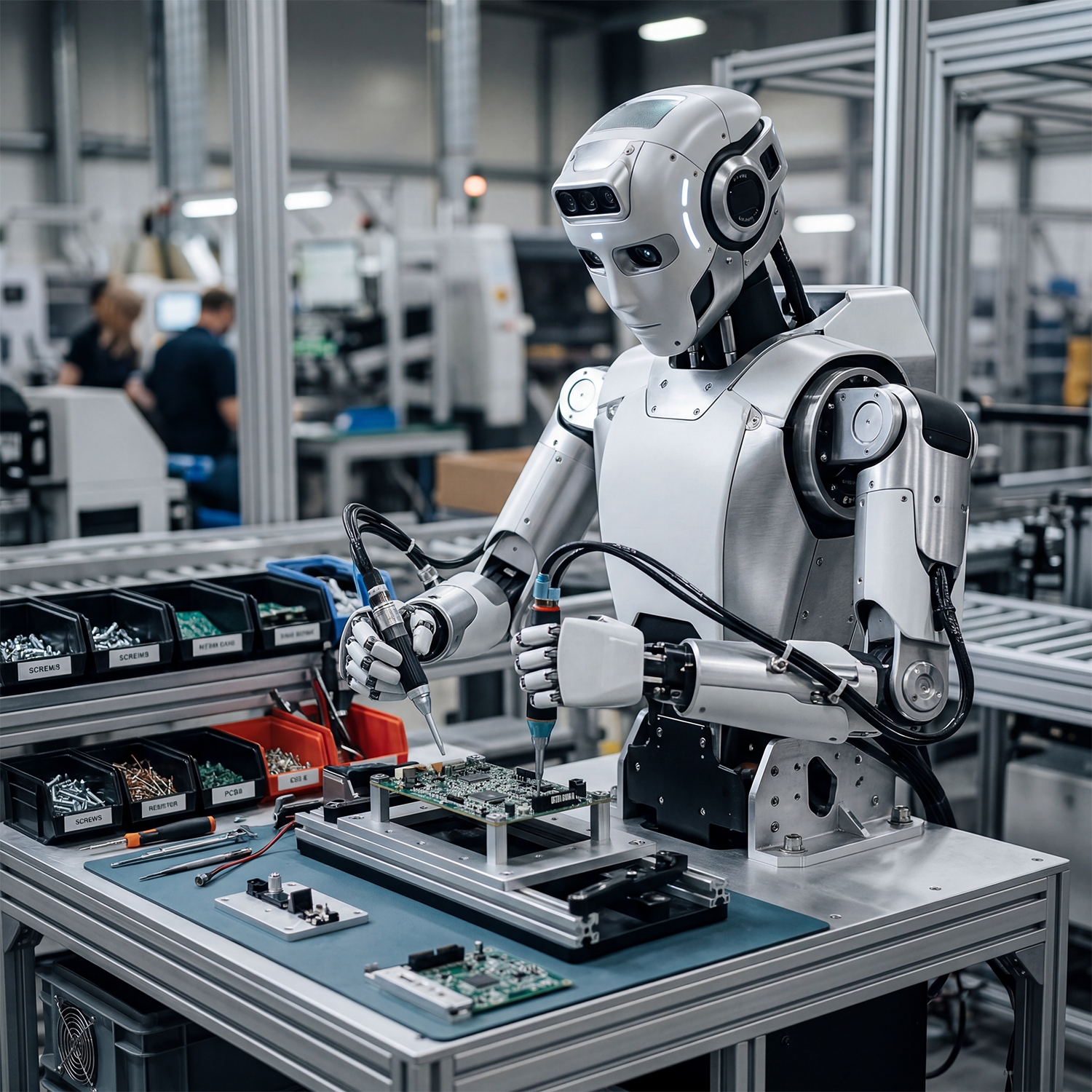

Robot Solutions
Robot solutions organized by industry and application, spanning commercial service, industrial automation, healthcare, education, agriculture, government, sports and consumer robotics, so every buyer starts from the problem rather than the product. Browse every solution family, compare price and cost information, and find robots for sale with purchasing details available below.
Robot Solutions
Nobody wakes up needing a 23 degree of freedom biped; they wake up needing the night shift covered, the floor cleaned to an audit standard, the pallets moved without a driver or the patients' meals delivered on time. Robot solutions organize the entire robotics catalog the way buyers actually think, by industry, application and problem, mapping every proven platform to the job it does rather than the category it belongs to, across commercial service, industry, healthcare, education, agriculture, government, sports and the home.
Starting from the solution matters because modern deployments are rarely one robot. A hotel runs delivery couriers, verified cleaners and lobby greeters as one program; a warehouse coordinates forklifts, lifting robots, transport AMRs and humanoids as one workforce; a hospital combines meal delivery, supply transport and hygiene critical floor care into one operational answer. Solution level thinking surfaces those combinations, and the fleet software, accessories and support that turn robot purchases into working systems.
This page maps all eight solution families: commercial robots across hospitality, retail and service, industrial robots from factory to warehouse, healthcare robots, educational robots, agricultural robots, government robots, sports robots and consumer robotics, with the full range of robot solutions for sale browsable through the solutions directory.
The Solution Families
Commercial Robot Solutions
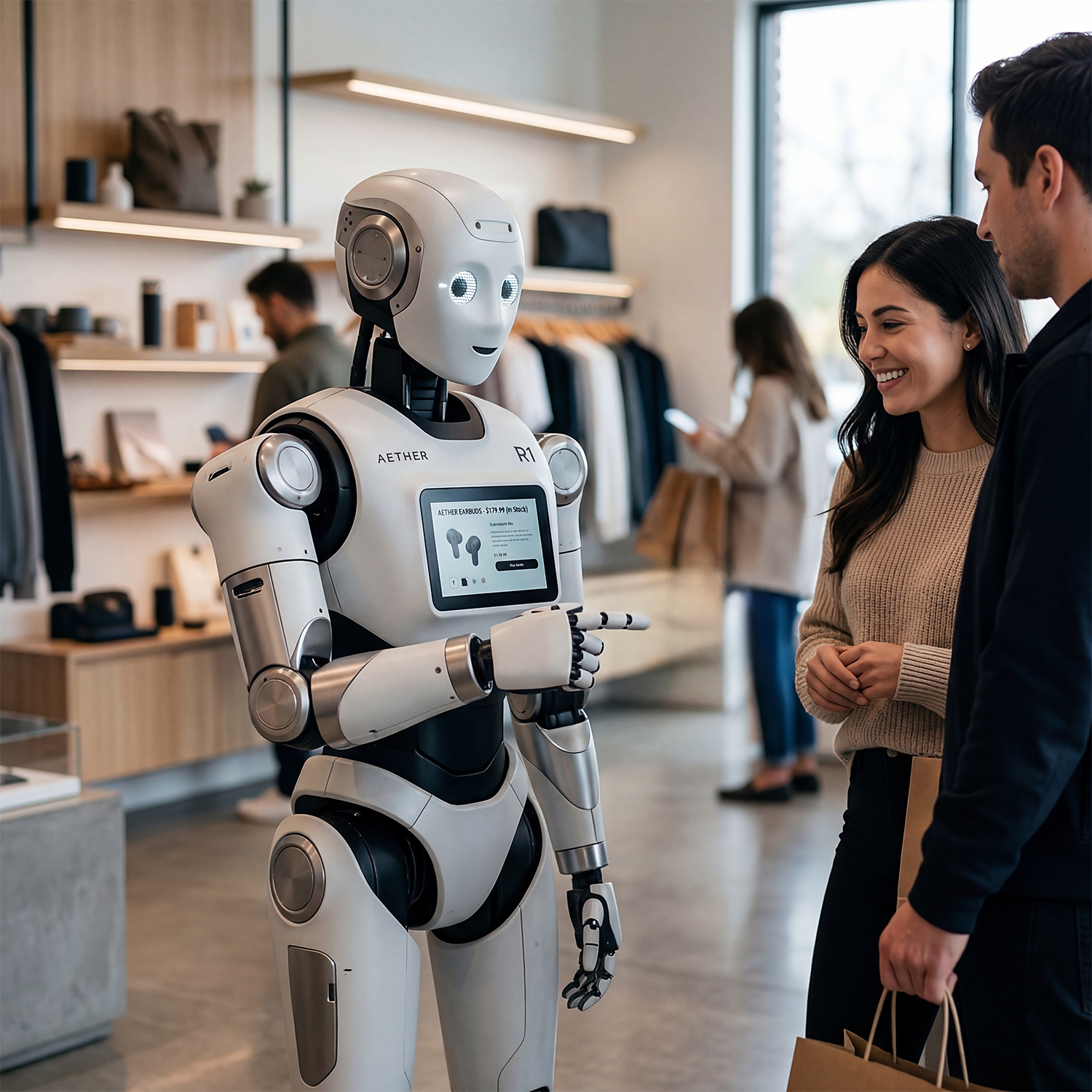
The largest deployed family in robotics serves customer facing business. Commercial solutions span restaurant robots running food and bussing dishes across tens of thousands of venues, hotel robots riding elevators to guest room doors, retail robots with supermarket and convenience formats, office robots for towers and campuses, cleaning robots that verify their own work, security robots on patrol, finance robots in branch lobbies, exhibition robots headlining events and transportation robots moving goods between them all.
Industrial Robot Solutions
The productive backbone. Industrial solutions cover factory robots from SCARA speed to tonne class arms, the complete warehouse stack of autonomous forklifts, lifting robots and warehouse humanoids, logistics robots connecting production to fulfillment, inspection robots patrolling substations and plants, welding robots absorbing the trade's skills shortage and construction robots extending automation to the built environment.
Health Care Robot Solutions
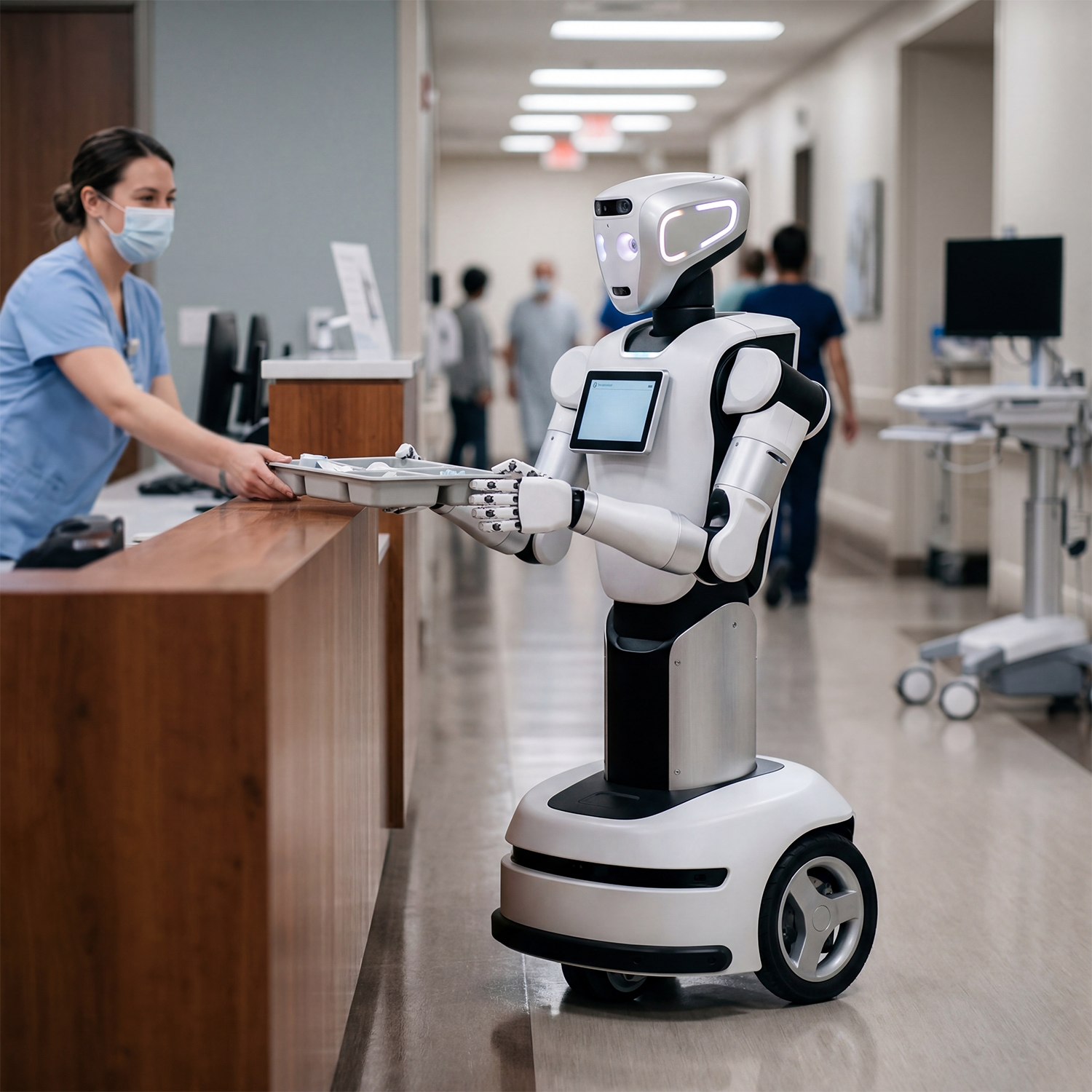
Where reliability is measured in patient outcomes. Healthcare solutions span hospital robots delivering meals, supplies and pharmacy totes across campuses, medical robotics including neurosurgery and orthopedic systems at the clinical frontier, pharmacy automation and the hygiene critical cleaning that healthcare estates demand, with bionic hand technology tracing directly to clinically deployed prosthetics.
Educational Robot Solutions
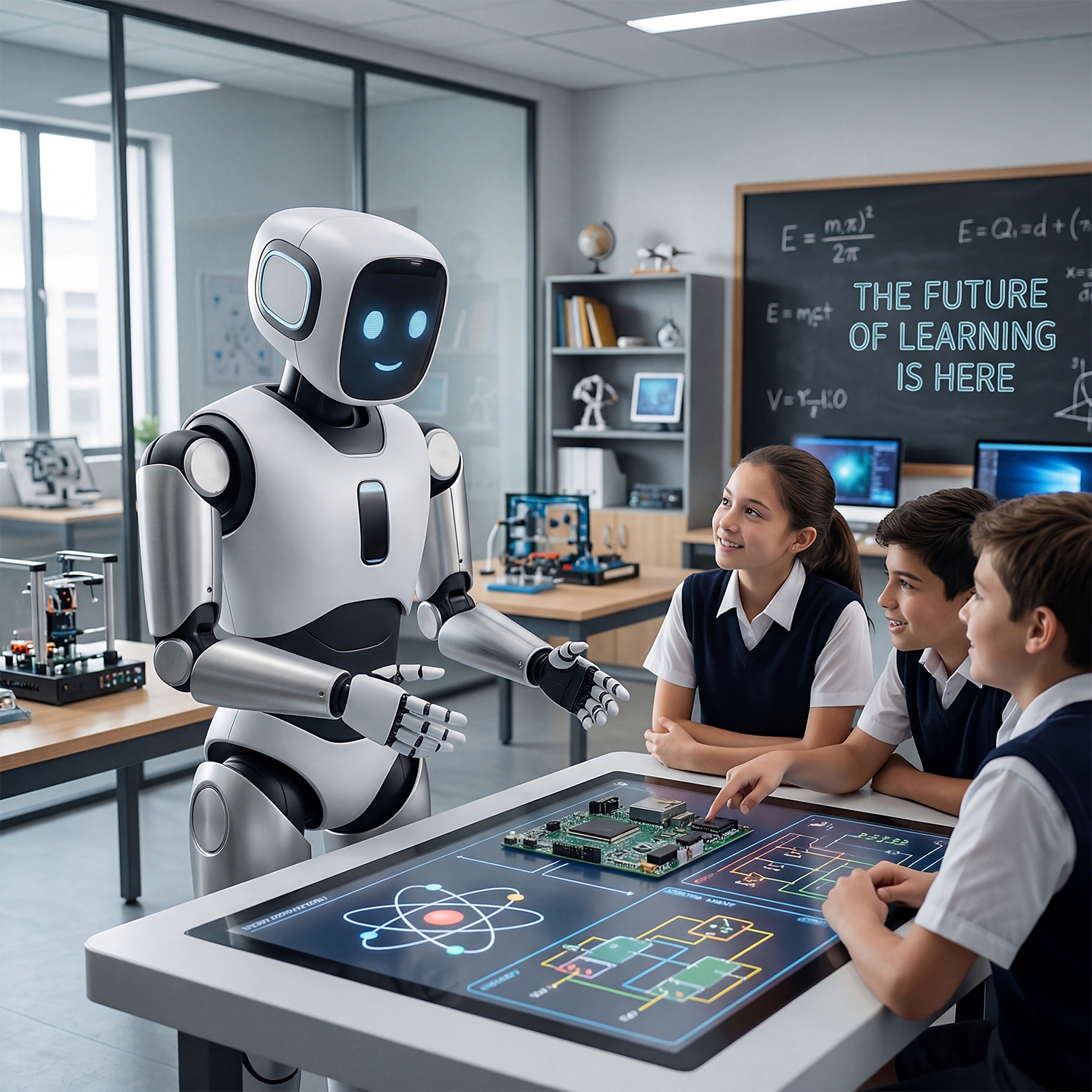
The talent pipeline of the whole industry. Educational solutions run from classroom humanoids and modular platforms like the open interface X2 Edu through competition robotics to research robots, the accessible G1 and R1 class bipeds, upper body manipulation torsos and open ecosystem platforms on which universities worldwide write the embodied AI curriculum and its next breakthroughs.
Government Robot Solutions
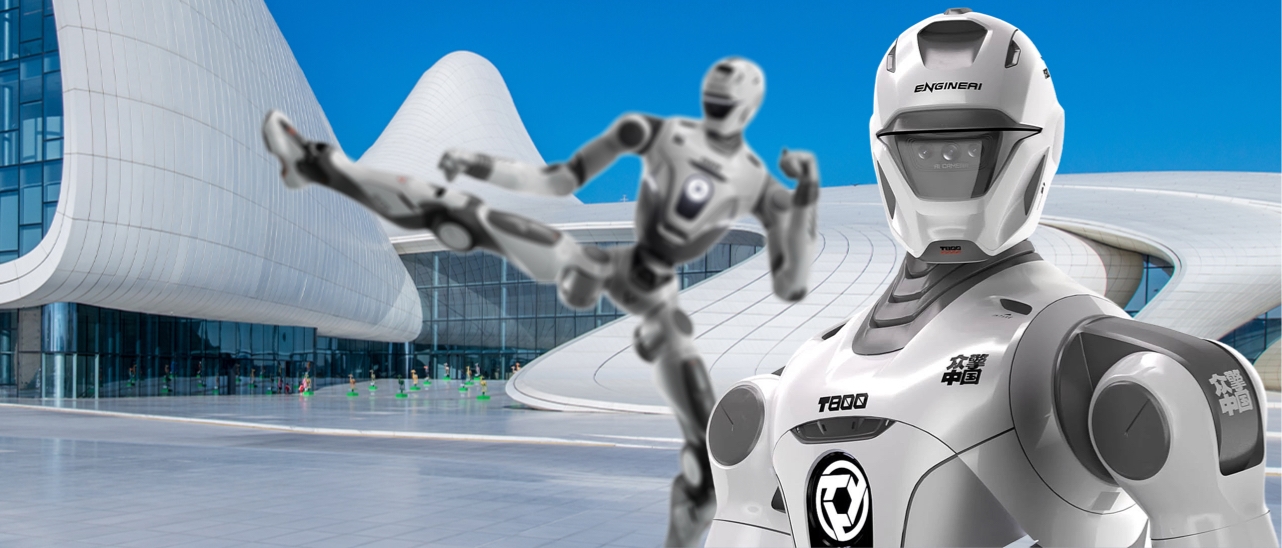
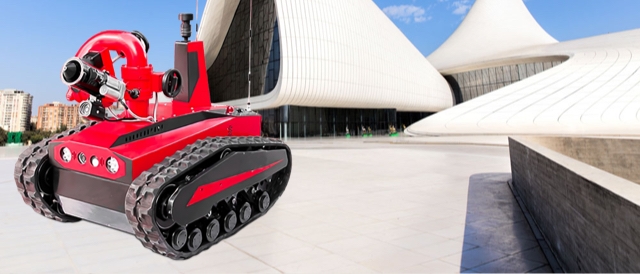
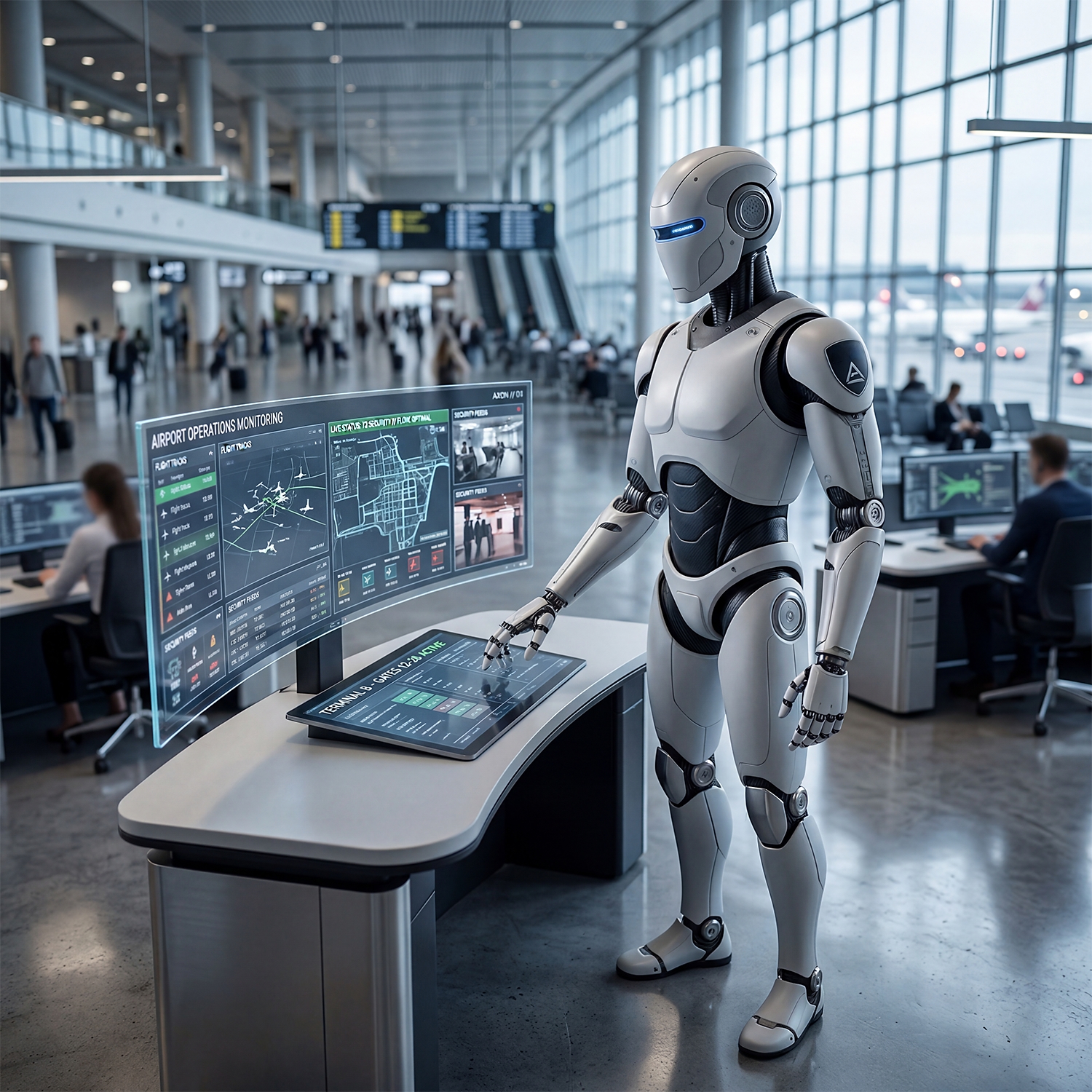
Public missions with the highest stakes. Government solutions cover emergency response robots entering scenes ahead of responders, firefighting robots working heat no crew should face, military and defense platforms, plus the border crossing guides, police patrol humanoids and public venue fleets already serving citizens, supported by drones and UGVs across air and terrain.
Agricultural Robot Solutions
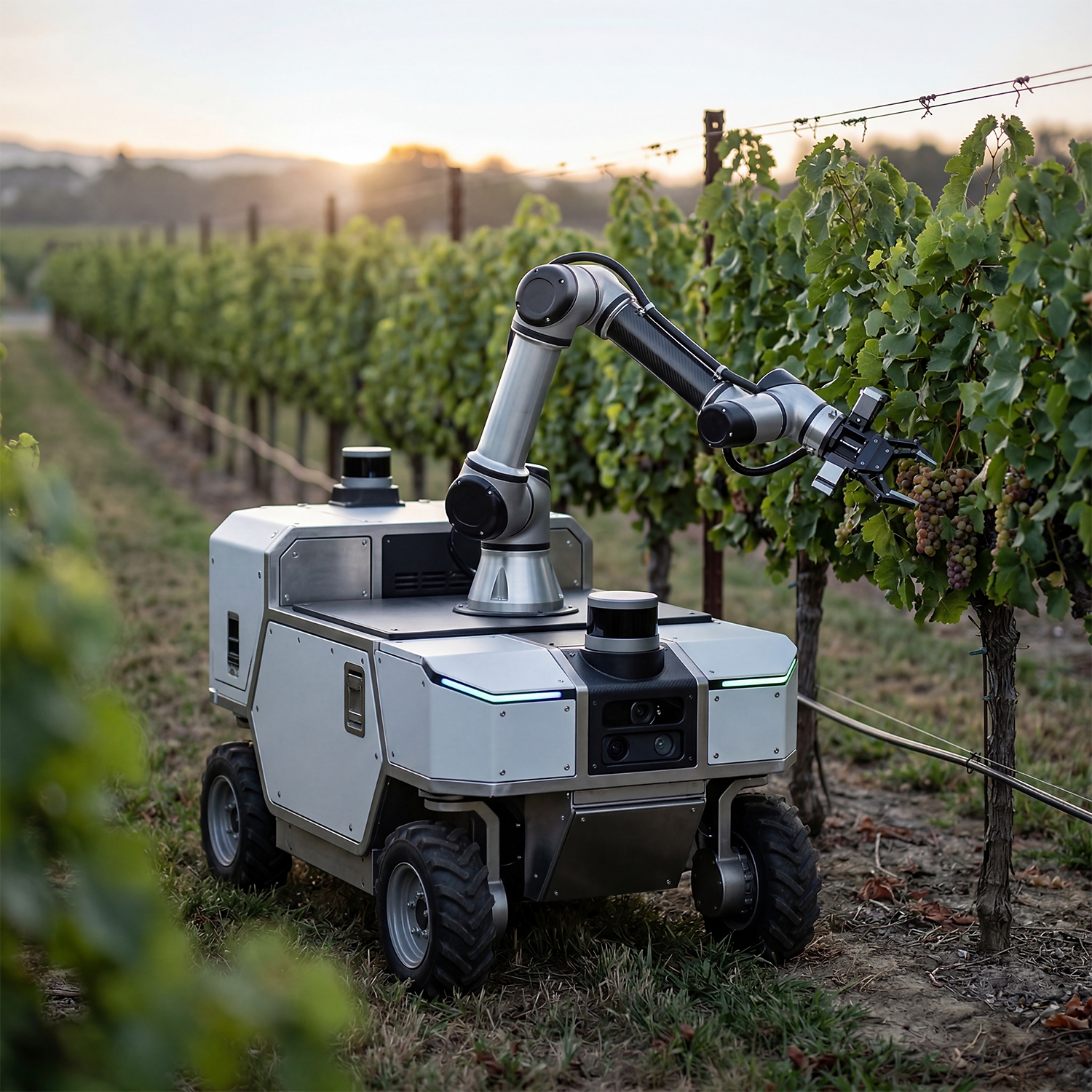
Automation for the oldest industry. Agricultural solutions deploy drone systems and field automation from leaders like XAG and FJ Dynamics across spraying, seeding, monitoring and orchard work, precision agriculture that stretches scarce farm labour across more hectares.
Sports Robot Solutions
The category that turned capability into spectacle. Sports solutions span boxing robots and martial arts robots sparring on stage, football robots and running robots competing in the robot athletics circuit, platforms that double as training partners, event headliners and the most watchable proof of whole body control the field produces.
Consumer Robot Solutions
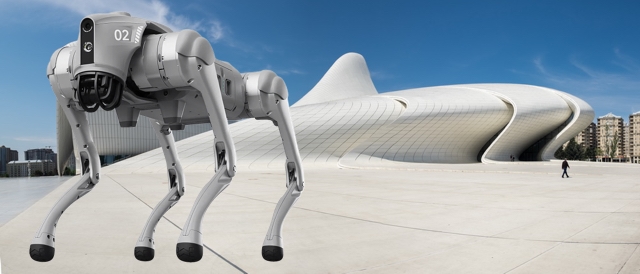
Robotics arriving home. Consumer solutions cover companion robots built for connection and entertainment robots from accessible robot dogs to performance humanoids, the tier where enthusiasts, families and early adopters join the same platforms the professional world runs.
How Solutions Come Together
From Single Robot to Program
Every solution family supports the same growth path: a first robot proving value in weeks, a coordinated pair covering complementary tasks, then a managed fleet under one dashboard, delivery plus cleaning plus patrol in a hotel, forklifts plus lifting robots plus humanoids in a warehouse, with fleet software, accessories and support scaling alongside.
Cross Solution Platforms
The industry's best platforms serve multiple families, the same quadruped patrolling a security perimeter and an inspection round, the same humanoid working a factory station and an exhibition stage, the same AMR chassis feeding a production line and a hospital kitchen, which is why solution thinking and the brand catalog work together: the solution defines the need, the catalog compares the platforms that meet it.
Regional Deployment
Solutions deploy worldwide through regional coverage spanning the Americas, Europe, Asia, the Middle East, Africa and Oceania, with delivery, customs clearance and destination logistics handled as part of every purchase.
Advantages of Solution Based Buying
- Start from the problem. Match robots to jobs, not spec sheets to guesses.
- See the whole answer. Combinations of delivery, cleaning, patrol and handling that single product pages hide.
- Cross brand comparison inside each need. Every solution family spans competing platforms.
- Proven deployment patterns. Each family reflects what thousands of real installations already run.
- Growth built in. The path from first robot to managed fleet is the same architecture throughout.
- One partner across families. Hospitality, warehouse and healthcare programs under one supplier relationship.
- Worldwide reach. Regional logistics and support wherever the solution lands.
Pricing and Availability
Robot solutions are available for purchase worldwide, from single robot deployments to multi family enterprise programs, all browsable through the solutions directory on Robots International. Robot solution price and cost vary by family, platform mix, fleet size and destination, so buyers seeking robot solutions for sale should request a current quotation for their specific operation. Purchasing inquiries, specification sheets and availability details for every solution can be found on this page.
Frequently Asked Questions
What are robot solutions?
Robot solutions organize robots by industry and application rather than brand, spanning commercial, industrial, healthcare, educational, agricultural, government, sports and consumer families, each mapping proven platforms to the jobs they perform.
How do I choose the right robot solution?
Start from the operational problem, the shift you cannot staff, the floor you cannot keep clean, the pallets you cannot move, find its solution family, then compare the platforms proven in exactly that deployment, with combinations and fleet growth paths considered from the first purchase.
Why buy by solution instead of by robot?
Because real deployments are systems: a hotel program spans delivery, cleaning and reception; a warehouse spans forklifts, lifting and humanoids. Solution buying surfaces the combinations, shared fleet software and support that make robots into working programs rather than isolated purchases.
What are the benefits of robot solutions?
Key benefits include problem first navigation, visibility into multi robot combinations, cross brand comparison inside every need, deployment patterns proven across thousands of installations, a built in path from pilot to fleet and one supplier relationship across every family an enterprise operates.
Which robot solutions are most in demand?
Current demand concentrates in commercial service, restaurant, hotel and cleaning fleets, the full warehouse automation stack, security patrol, healthcare logistics and the education and research platforms feeding the industry's growth.
How much do robot solutions cost?
Solution cost spans from single accessible robots to enterprise fleet programs, shaped by family, platform mix, fleet size and integration scope. Buyers should request a tailored quotation for accurate pricing on their specific deployment.
Where can I buy robot solutions?
Every solution family is for sale through Robots International, serving markets worldwide with delivery, customs clearance and after sales support across commercial, industrial, healthcare, education, agriculture, government, sports and consumer robotics. Full purchasing details are available on this page.
Summary
Robot solutions put the industry in the order buyers need it: by the job. Eight families, commercial service fleets past 80,000 deployments, industrial workforces from forklift to humanoid, healthcare logistics measured in patient outcomes, the education platforms training the field's future, government missions, farm automation, robot sport and the home, each mapping proven platforms and proven combinations to real operational problems, with worldwide delivery behind every one. Paired with the brand organized robot catalog, this page stands as the definitive starting point for anyone buying robots by what they need done.
v3, August 3, 2026