


Shop Robots
Robots have crossed from science fiction into daily operations, with humanoids working factories and showrooms, robot dogs on patrol, service fleets past 80,000 deployments and millions of machines running the world's warehouses. Explore every robot type and leading brand, price and cost information, and find robots for sale with purchasing details available below.
Robots
Somewhere in the last few years, without a formal announcement, the age of robots simply started. Robots, autonomous and semi autonomous machines that sense, decide and act in the physical world, now hold jobs across the whole economy: humanoids running factory inspection lines and greeting car buyers in thirty countries, robot dogs patrolling substations through the night, delivery robots serving tens of thousands of restaurants and hotels, close to five million machines working the world's warehouses and cleaning fleets that verify their own work to an audit standard. What was demonstration is now deployment, measured in shipped units, order books and shifts covered.
Three forces converged to make it happen. Reinforcement learning cracked the control problems, balance, gait, grasping, that scripted engineering never solved, giving machines athletic recovery and dexterous touch. Foundation models gave them understanding, natural conversation, task planning and the ability to learn new work from demonstration in days. And mass manufacturing, led by makers shipping thousands of humanoids and tens of thousands of quadrupeds a year, collapsed prices from laboratory budgets to business cases, putting serious robots within reach of a school, a restaurant or a mid size factory.
This page is the field guide: every major robot type, from humanoids and quadrupeds to service, industrial and consumer machines, the brands that lead each, and the paths to buying them, with the complete range of robots for sale browsable through the robot catalog and organized by application in robot solutions.
The Major Types of Robots
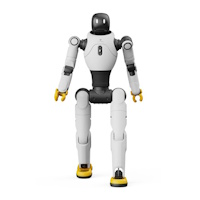
Humanoid Robots
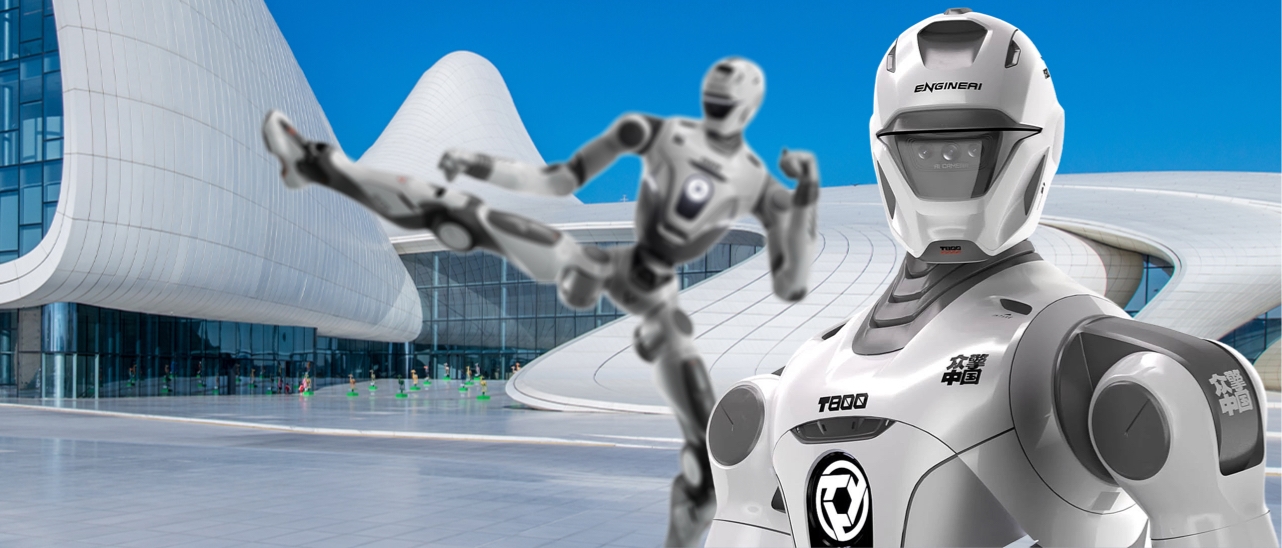
The defining category of the decade. Humanoid robots, machines in human form built for the world humans built, now ship at industrial volume: Unitree moved over 5,500 humanoids in a single year led by the G1, AgiBot has produced more than 15,000 robots across its acrobatic X2, athletic A3 and industrial G2 families, UBTECH's Walker S2 passed 1,000 units with the world's first self swapping battery, and EngineAI's natural gait machines walk police patrols. The category spans bipedal, wheeled, upper body and lifelike bionic forms.
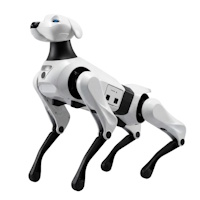
Quadruped Robots and Robot Dogs
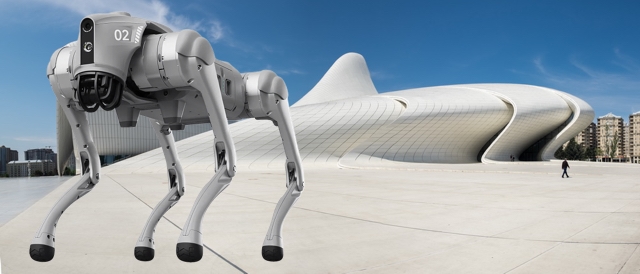
Legs for the terrain wheels cannot cross. Quadruped robots run from the world famous Unitree Go2 through the industrial B2 and explorer class A2 to Deep Robotics' substation proven inspection platforms, patrolling perimeters, reading gauges in hazardous plants and performing in synchronized troupes on the world's biggest stages, across standard and wheeled configurations.
Service and Commercial Robots
The robots the public meets. Commercial robots span Pudu Robotics' 80,000 plus deployed fleet, restaurant delivery and bussing, hotel couriers riding elevators, retail greeters advertising in motion, office mail runs, finance lobby reception, exhibition performers, security patrols and cleaning robots that document every square meter, with specialists from Keenon, Yunji and OrionStar deepening every niche.
Industrial and Warehouse Robots
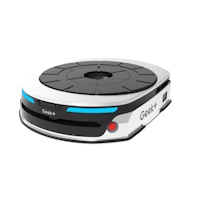
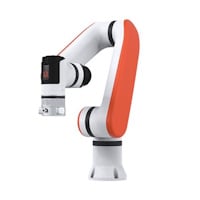
The economy's muscle. Industrial robots from SIASUN's SCARA to tonne class arms and cobots share floors with the warehouse revolution: autonomous forklifts from Seer Robotics, lifting robots carrying whole racks, goods to person systems from market leader Geek+, transport AMRs like the PUDU T300 and the new warehouse humanoids working stations built for human hands, plus factory, welding, inspection and logistics specialists throughout.
Robotic Hands and Components
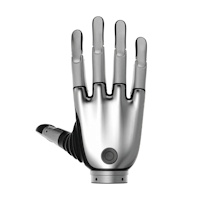
The dexterity layer. Robot hands from BrainCo's prosthetics proven Revo family and AgiBot's OmniHand with fingertip touch to the research standard Shadow Robot, alongside arms, batteries, sensors and the full accessories ecosystem that keeps fleets working.
Specialized and Emerging Categories
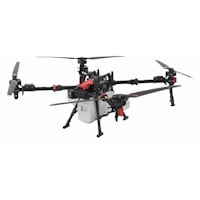
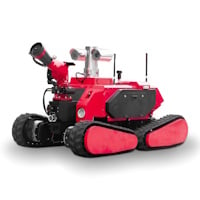
The frontier keeps widening: healthcare robots from hospital logistics to surgical systems, educational and research platforms training the field's future, agricultural robots and drones from XAG, government and emergency response machines, sports robots sparring on stage, UGVs for rough terrain and consumer robotics bringing it all home.
How Modern Robots Work
Learned Motion
The control revolution came from learning: locomotion and manipulation policies trained across millions of simulated trials, transferred to hardware, producing the balance that survives shoves, the gaits that climb rubble and the grasps that handle eggs, capabilities scripted robotics chased for fifty years and reinforcement learning delivered in five.
Perception and Navigation
Robots see through fused LiDAR, depth and RGB cameras, ultrasonic and inertial sensing, building live maps and localizing to centimeters without rails, markers or beacons, the marker free autonomy that collapsed deployment from construction projects to delivery day, certified to standards like ISO 3691-4 for sharing space safely with people.
Embodied Intelligence
Foundation models became robot minds: vision language action systems translating instructions into movement, agents planning and self correcting in closed loop, demonstration teaching that converts a human showing into robot doing, and fleet learning through which every deployed unit improves all of them, with multilingual conversation making the public facing tiers genuinely interactive.
Endurance Engineering
The deployment generation solved uptime: hot swappable packs, autonomous charging, self exchanging batteries and fleet energy rotation sustaining true multi shift operation, backed by the manufacturing scale, thousand unit runs and vertical actuator integration, that made reliability a product feature rather than a lab hope.
Where Robots Work Today
Business and Hospitality
Across restaurants, hotels, retail and offices, robots cover the shifts hardest to staff while adding experiences customers photograph.
Industry and Logistics
From factory floors to warehouse grids, robots run the material world, welding, lifting, hauling and inspecting, with documented labour savings and throughput gains behind millions of installed units.
Public Service and Safety
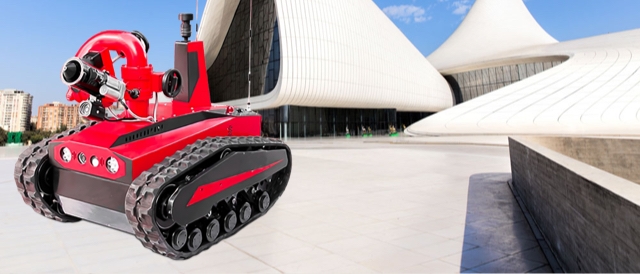
Security patrols, government deployments from border crossings to police support, and emergency machines entering scenes ahead of responders take robots where risk lives.
Science, Education and Sport
Research labs and classrooms worldwide train the next generation on accessible platforms, while robot sport turns capability into spectacle audiences pack halls to watch.
Field and Home
Agricultural drones and field machines stretch farm labour across more hectares, and consumer robots, companions and entertainers, bring the revolution into daily life.
Advantages and Benefits
- The labour answer. Robots cover the vacancies, night shifts and repetitive roles economies cannot fill.
- Documented returns. Warehouse deployments alone show 25 to 30 percent labour savings and multiplied throughput.
- Every form for every job. Legs for terrain, wheels for endurance, arms for precision, faces for welcome.
- Deployment in days. Marker free navigation and learned tasks replaced months of integration.
- Prices that reached the market. From enthusiast robot dogs to industrial fleets, every budget has an entry.
- Machines that improve. Fleet learning upgrades every robot from each one's experience.
- Proven in public. Factories, streets, stages and stores, the references are working shifts, not demos.
- One supplier, whole fleets. Mixed programs across types and brands under a single relationship.
Pricing and Availability
Robots of every type are available for purchase worldwide, from single units and components to enterprise fleet programs, browsable by brand through the robot catalog and by application through robot solutions on Robots International. Robot price and cost vary enormously by type, brand, configuration and destination, so buyers seeking robots for sale should request a current quotation for their requirements. Purchasing inquiries, specification sheets and availability details for any robot can be found on this page.
Frequently Asked Questions
What are robots?
Robots are machines that sense, decide and act in the physical world, spanning humanoids, quadruped robot dogs, service and commercial robots, industrial and warehouse machines, robotic hands, drones and consumer robotics.
How do robots work?
Modern robots combine reinforcement learning trained motion, fused LiDAR and camera perception with marker free navigation, and embodied AI foundation models that understand language, plan tasks and learn from demonstration, sustained by hot swap batteries, autonomous charging and fleet software coordinating whole robot workforces.
Why are robots important?
Robots answer the defining economic squeeze of the era, labour shortages meeting rising service and production expectations, while removing people from danger, delivering consistency human processes cannot sustain and creating capabilities, from all night patrol to sub millimeter assembly, that did not previously exist at any price.
What are the benefits of buying robots?
Key benefits include coverage of unfillable roles and shifts, documented cost and throughput gains, safety in hazardous work, service quality that never varies, deployment measured in days, continuously improving fleet intelligence and entry price points from classroom to enterprise.
Which robot should a buyer start with?
Start from the job: restaurants and hotels begin with service robots, facilities with cleaning or security platforms, warehouses with forklifts or AMRs, researchers with the Unitree G1 or Go2, and enterprises exploring the frontier with humanoids.
How much do robots cost?
Robot cost spans the widest range in technology, from accessible consumer and education platforms to enterprise fleets and facility scale systems, shaped by type, brand, configuration and fleet size. Buyers should request a tailored quotation for accurate pricing.
Where can I buy robots?
Robots of every type and brand are for sale through Robots International, serving markets worldwide with delivery, customs clearance and after sales support. Full purchasing details, the complete catalog and solutions directory are available on this page.
Summary
The robot age arrived the way every real revolution does, not with one dramatic machine but with millions of working ones: humanoids on factory shifts and dealership floors, robot dogs on patrol, service fleets in restaurants and hotels, driverless forklifts on the docks and learning systems improving all of them nightly. With every form factor shipping at scale, every price tier open and every application family proven in the field, the only remaining question is which robot works for you first. For anyone entering robotics today, from a first robot dog to an enterprise fleet, this page stands as the definitive starting point.
v3, Aug 3, 2026