























Robot Catalog
The complete robot catalog by brand, spanning humanoid robots, quadrupeds, service and delivery robots, industrial AMRs, autonomous forklifts, dexterous hands and drones from more than fifty manufacturers including Unitree, AgiBot, UBTECH, Pudu and EngineAI. Browse every brand, compare price and cost information, and find robots for sale with purchasing details available below.
Robot Catalog
The robotics industry stopped being a niche the moment its products started holding jobs, and today buying a robot means choosing among more serious manufacturers, form factors and capability tiers than any single buyer can track. This robot catalog is the map: the complete brand directory spanning humanoid robots shipping by the thousand, quadrupeds patrolling substations, delivery robots serving tens of thousands of restaurants, industrial AMRs and driverless forklifts running factory floors, dexterous hands with fingertip touch and the drones, components and accessories that complete deployments.
The catalog's breadth mirrors the industry's moment. Humanoid makers alone now include a volume leader shipping over 5,500 units a year, the first publicly listed humanoid company with a thousand industrial bipeds built, the world's highest volume manufacturer past 15,000 robots and the natural gait pioneer whose machines walk police patrols, while service robotics counts fleets beyond 80,000 deployed units and warehouse automation approaches five million working robots worldwide. Every brand below links to its dedicated range, and every product connects onward to full specifications and quotation.
Whether the search starts from a form factor, humanoids, quadrupeds, AMRs, or from an application, commercial, industrial, warehouse, the full range of robots for sale is browsable through the robot catalog on this page.
Humanoid Robot Brands
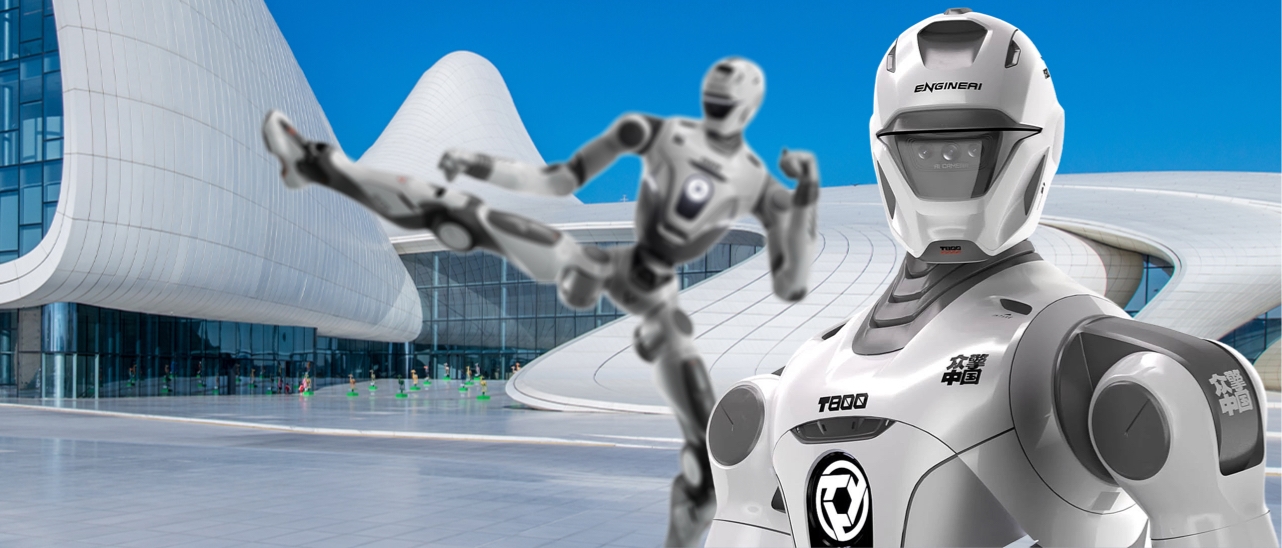
The deepest field in the catalog. Unitree leads global shipments with the G1, R1, H1 and flagship H2 plus a full accessories ecosystem. AgiBot spans the acrobatic X2 series, athletic A3 series, interactive A2 series, industrial G series and OmniHand dexterous hands from the industry's highest volume maker. UBTECH fields the mass produced Walker industrial humanoid and UWORLD U1, EngineAI brings the most natural gait in robotics across the PM01, SE01 and T800, and AiMOGA deploys the EU certified Mornine across dealerships in 30 plus countries.
The field deepens from there: athletic specialists Booster Robotics and Noetix with the N2 Athlete, BUMI, E1 and Hobbs W1; full size platforms from Kepler, Fourier, PNDbotics, RobotEra, Casbot, MagicLab, LimX, X-Humanoid, Lumos Robotics, UnixAI, Genisom, Galileo and Digit; upper body and service manipulation from Astribot, Galaxea, Galbot and X Square; and humanoid lines from established industrial names Dobot and Deep Robotics, plus Pudu X-Lab's D series.
Quadruped and Legged Robot Brands
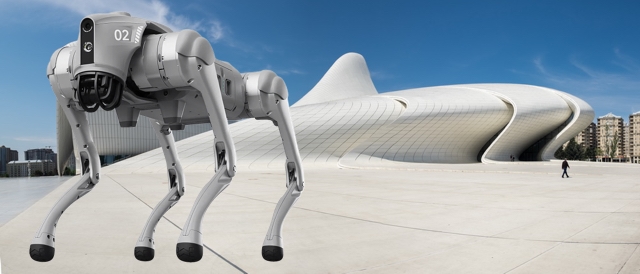
Unitree's quadrupeds define the category from the ubiquitous Go2 through the industrial B2, the A2 Stellar Explorer and AS2, while Deep Robotics brings substation proven inspection pedigree across its X Series, Lite Series and LYNX Series, and AgiBot's D1 series extends the format, serving security patrol and inspection missions across standard and wheeled configurations.
Service and Commercial Robot Brands
Pudu Robotics, the global service leader past 80,000 shipments, spans delivery, cleaning and industrial delivery lines from the iconic BellaBot to the T600. Keenon covers delivery, cleaning, warehouse and humanoid service, Yunji Technology specializes in hotel delivery across thousands of properties, Zerith advances hotel housekeeping, OrionStar fields enterprise reception and greeting platforms, and Senad, Deyee Robot, Guo Xing and Topsky round out the commercial field.
Industrial, Warehouse and Logistics Brands
SIASUN, one of China's most established robotics manufacturers, spans industrial arms from SCARA to ultra high payload, GCR cobots, mobile robots and special robots. Seer Robotics leads autonomous forklifts across pallet trucks, stackers, counterbalanced and reach trucks plus lifting robots. Geek+ is the global goods to person AMR market leader, iTR Robot and Husarion serve mobile platform development, and cobot and arm makers Fairino, Elephant Robotics, Dobot and Realman Robotics cover the cobot and manipulation tiers across the warehouse and logistics world.
Robotic Hands, Components and Sensing Brands
The robot hands ecosystem pairs BrainCo's prosthetics proven Revo 1, Revo 2 and Revo 3 with AgiBot's OmniHand series, Inspire Robots, Linkerbot, DexRobot and the research gold standard Shadow Robot, while sensing and perception run through Paxini tactile systems, DexForce vision and BWSensing inertial technology, completed by the accessories catalog of arms, batteries, chargers, controllers, sensors and LiDAR and cameras.
Drones, Field and Specialty Brands
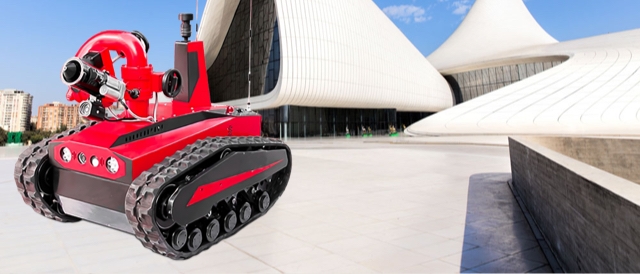
Beyond the floor, XAG leads agricultural robotics and drone systems, FJ Dynamics automates field and outdoor work, and the drones and UGV categories extend the catalog into air and rough terrain for government, emergency response and firefighting missions.
How to Navigate the Catalog
By Form Factor
Start from what the robot is: humanoids in bipedal, wheeled, upper body and bionic forms, quadrupeds, AMRs, cobots, drones and UGVs.
By Application
Or start from the job: commercial solutions across restaurants, hotels, retail, offices, cleaning and security; industrial coverage from factories to warehouses; plus healthcare, education, research, agriculture and sports.
By Support Path
Every purchase connects to quotation, specification sheets, payment options including bank wire and major digital wallets, and support resources including brand specific centers for AgiBot and Unitree platforms.
Advantages of Buying Through the Catalog
- Every serious brand, one place. Fifty plus manufacturers spanning humanoids to forklifts to hands.
- Cross brand comparison. Evaluate competing platforms side by side before committing.
- From flagship to component. Complete robots, spare batteries, controllers and sensors in one order.
- Worldwide fulfillment. Delivery, customs clearance and logistics support to international destinations.
- Current lineups. New launches from the industry's weekly release cadence added continuously.
- Quotation based pricing. Configuration accurate quotes rather than stale list prices.
- Support beyond the sale. Brand support centers, parts and accessories sustain deployments.
Pricing and Availability
Every robot in the catalog is available for purchase worldwide, from single education units and components to enterprise fleet programs, all browsable through the complete robot catalog on Robots International. Robot price and cost vary enormously by brand, platform class, configuration and destination, so buyers seeking robots for sale should request a current quotation for their specific requirements. Purchasing inquiries, specification sheets and availability details for any robot can be found on this page.
Frequently Asked Questions
What is the robot catalog?
The robot catalog is the complete brand directory of robots for sale, spanning humanoids from Unitree, AgiBot, UBTECH and EngineAI, service robots from Pudu and Keenon, industrial systems from SIASUN, Seer and Geek+, quadrupeds, hands, drones and accessories across fifty plus brands.
How do I choose the right robot brand?
Start from the job, then compare the brands proven in it: humanoid deployment favors the volume and track record leaders, service robotics the largest deployed fleets, warehouse automation the certified forklift and AMR specialists, and research the open ecosystem platforms, with cross brand comparison the catalog's core purpose.
Why buy robots through a distributor catalog?
A distributor catalog delivers what single brand stores cannot: side by side evaluation across competitors, one consolidated order spanning robots, hands and accessories, international logistics and customs handling, and continuity of support across an entire mixed fleet rather than per vendor silos.
What are the benefits of the robot catalog?
Key benefits include fifty plus brands in one directory, comparison across competing platforms, complete coverage from flagship robots to spare parts, worldwide delivery with customs support, continuously updated lineups and quotation based pricing accurate to each configuration.
Which robots are most popular in the catalog?
Current demand concentrates in humanoids led by the Unitree G1 and AgiBot X2 series, the Go2 robot dog, Pudu's BellaBot delivery family, Seer autonomous forklifts and the BrainCo Revo dexterous hands.
How much do robots cost?
Robot cost spans the widest range in technology, from accessible education platforms and components to enterprise humanoid fleets and facility scale automation, shaped by brand, class, configuration and fleet size. Buyers should request a tailored quotation for accurate pricing.
Where can I buy robots from the catalog?
Every brand and platform is for sale through Robots International, serving markets worldwide with delivery, customs clearance and after sales support. Full purchasing details, specifications and quotation requests are available on this page.
Summary
The robot catalog is where the whole industry stands on one shelf: the humanoid makers racing through weekly firsts, the service fleets past 80,000 deployments, the industrial and warehouse platforms running certified shifts, the quadrupeds on patrol, the tactile hands, and the batteries, sensors and controllers that keep all of it working. Organized by brand, form factor and application, connected worldwide by delivery and support, and updated at the pace the industry now moves, this catalog stands as the definitive starting point for anyone buying robots today.
v3, August 3, 2026, Fable