
Industrial Robots
Industrial robots automate manufacturing, welding, material handling, inspection and logistics across factories and heavy industry, from SCARA and high payload robotic arms to industrial humanoids, mobile robots and autonomous forklifts. Explore every industrial robot type, leading brands, price and cost information, and find industrial robots for sale with purchasing details available below.
Industrial Robots
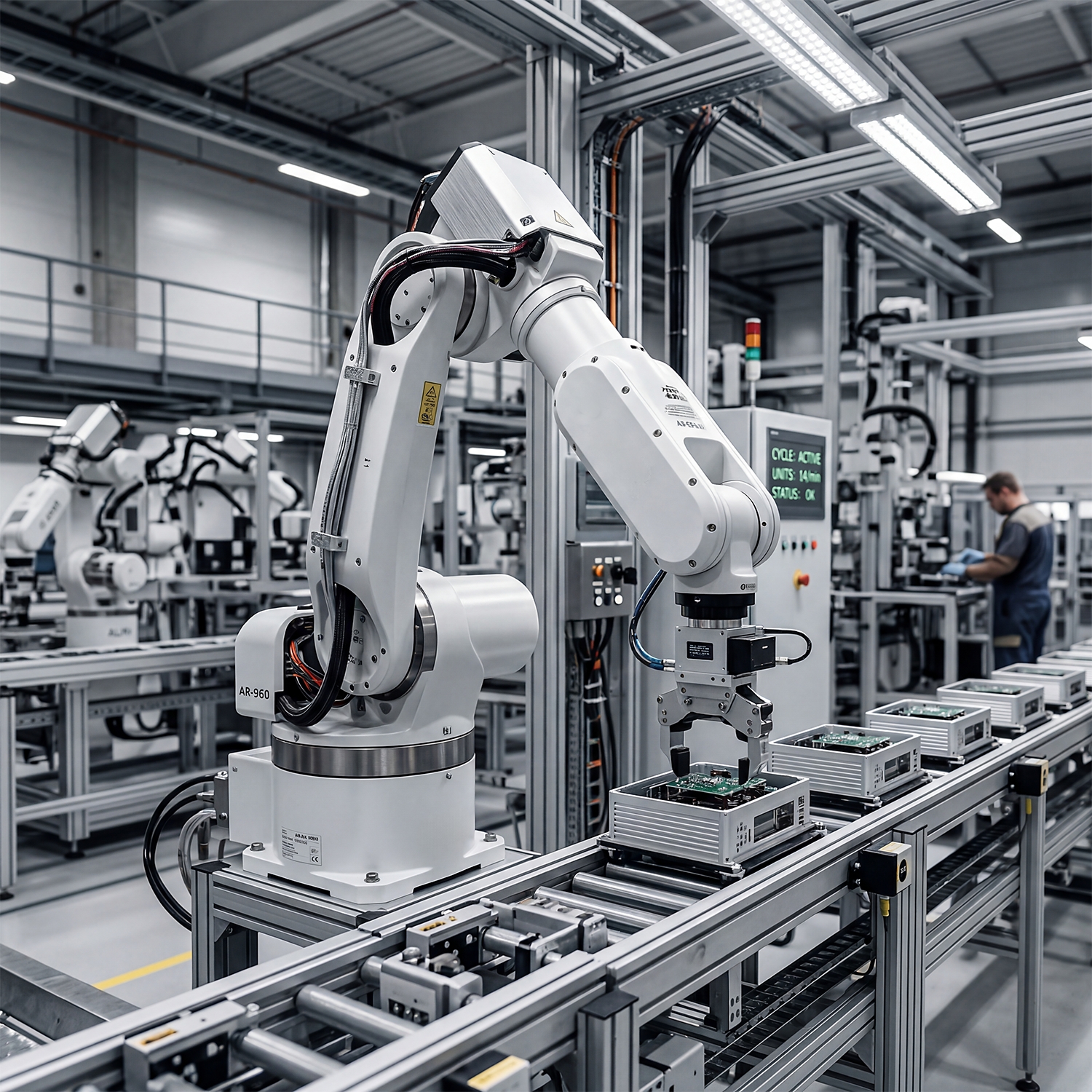
Long before robots greeted hotel guests or delivered noodles, they built the modern world, welding car bodies, moving pallets and assembling electronics behind factory fences. Industrial robots are automated machines deployed across manufacturing, processing and heavy industry to perform production tasks such as assembly, welding, material handling, palletizing, inspection and intralogistics, and they remain the largest, most mature and most economically consequential sector in all of robotics, with millions of units installed worldwide and annual installations that have roughly doubled over the past decade.
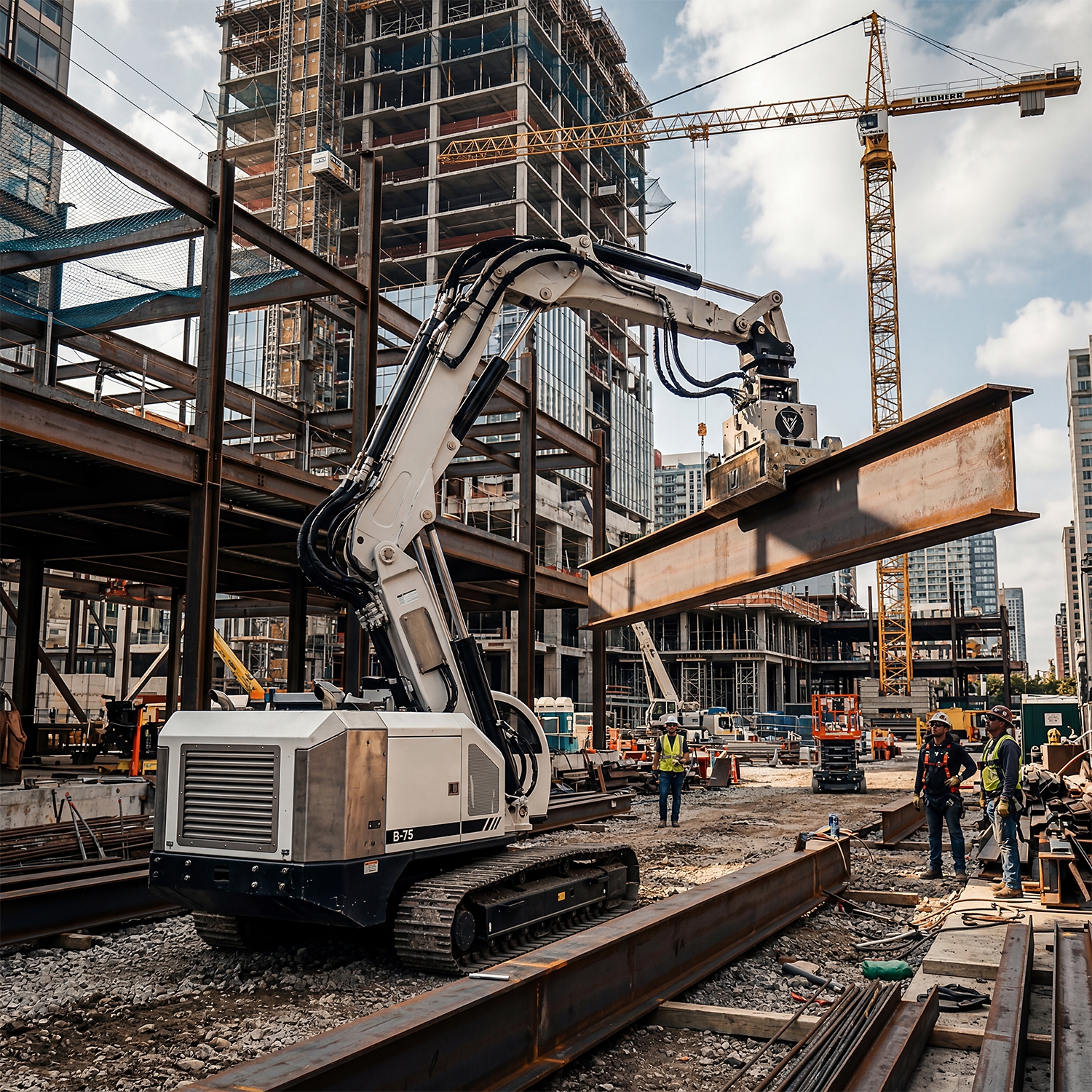
What has changed is the shape of the category. The classic caged robotic arm now shares the floor with machines its designers never imagined: autonomous mobile robots weaving through mixed traffic, driverless forklifts racking pallets, quadrupeds inspecting substations and, newest of all, industrial humanoids working stations built for human hands, with over a thousand units of a single bipedal model already produced. Industrial robotics has broken out of the cage, and with it, out of the giant factory monopoly, marker free navigation, learning based programming and phased deployment now put serious automation within reach of mid size operations.
This page maps the full industrial landscape: robotic arms across every payload class from SIASUN, one of China's most established robotics manufacturers, factory robots, welding robots, inspection robots, logistics robots, construction robots and the complete warehouse robotics world, with the full range of industrial robots for sale browsable through the industrial robot catalog.
Types of Industrial Robots
Industrial Robotic Arms
The foundation of the category remains the articulated arm, and SIASUN's industrial robots cover its full span: SCARA robots for high speed pick, place and assembly, small payload arms for electronics and light manufacturing, large payload arms for machine tending and palletizing, and ultra high payload arms for the heaviest handling in automotive and metals, joined by GCR series cobots that work fenceless beside people and special robots for demanding niche processes, with the wider cobot category extending collaborative options.
Industrial Mobile Robots and AMRs
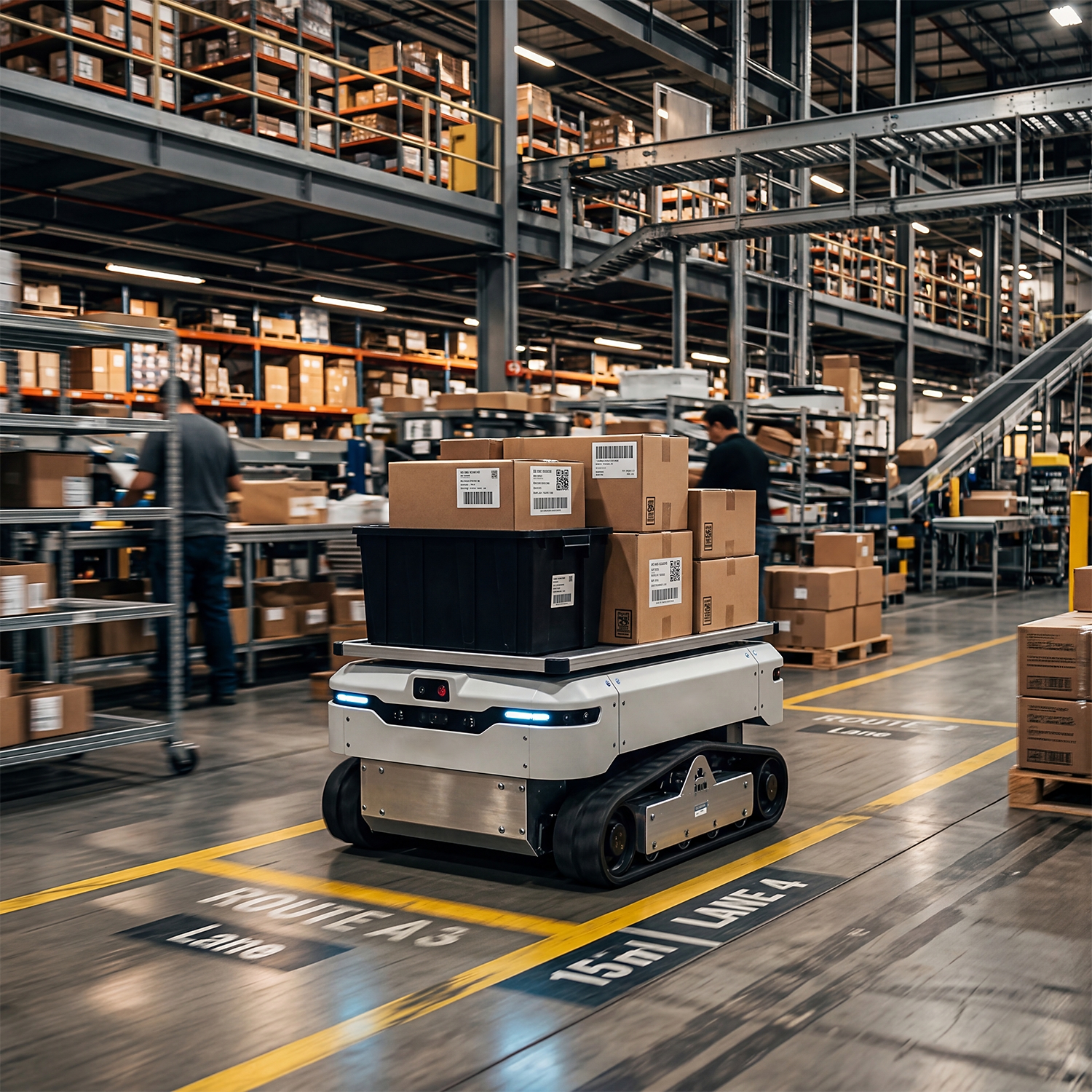
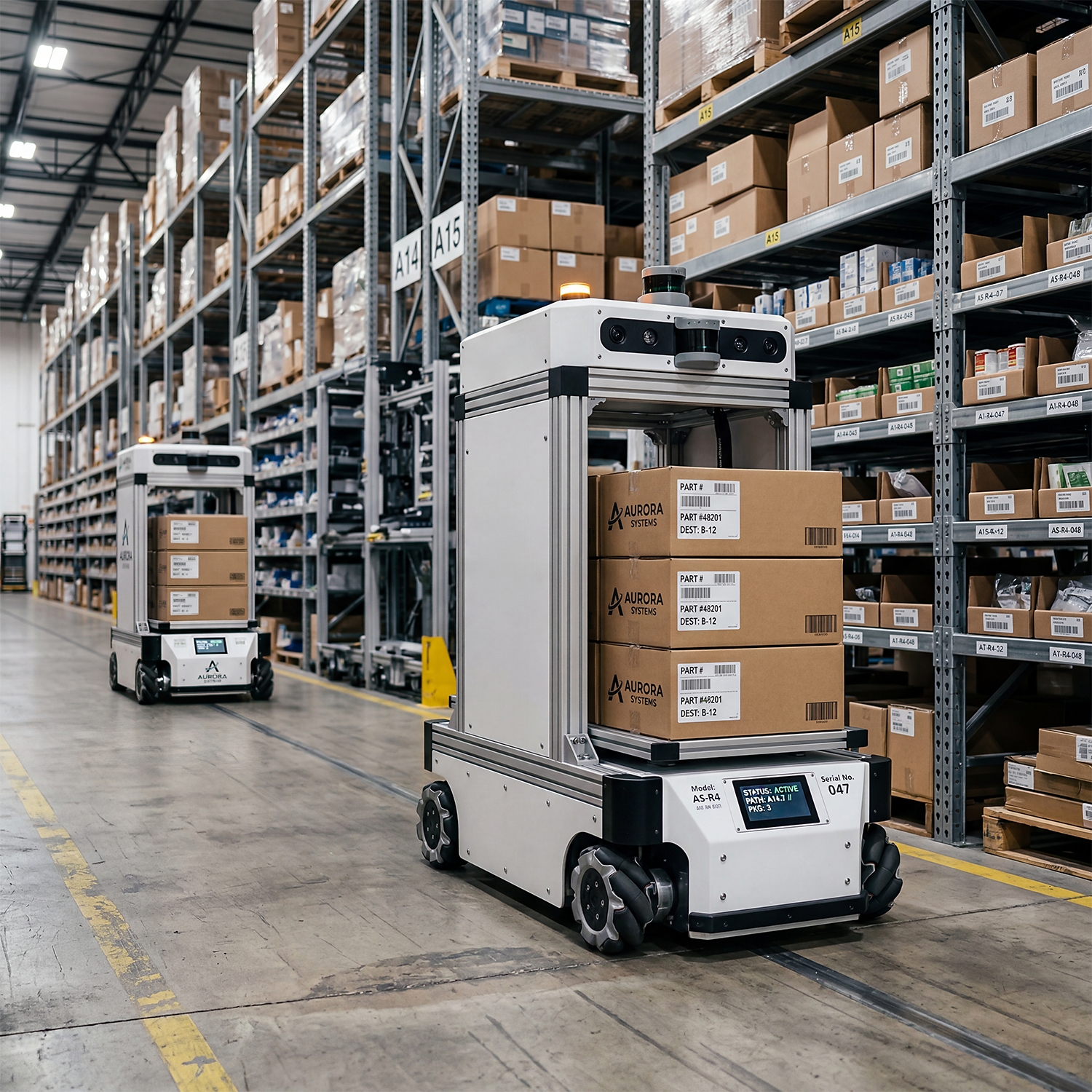
Material flow went driverless. SIASUN's mobile robots, spanning mobile forklifts, heavy duty platforms and under ride lift robots, join AMRs like the 300 kg PUDU T300 with its conveyor docking and towing variants and the 600 kg PUDU T600 in connecting production and storage without rails or markers, certified to the ISO 3691-4 driverless truck standard for mixed traffic aisles across the transportation robotics landscape.
Autonomous Forklifts and Pallet Handling
The pallet layer runs driverless through autonomous forklifts: Seer Robotics' family of pallet trucks, stackers, counterbalanced forklifts and reach trucks, removing operators from industry's most accident prone vehicle class while lifting robots carry racks and fixtures from beneath.
Industrial Humanoid Robots
The category's newest tier puts human form on the production floor. The wheeled AgiBot G2 series, built from automotive grade components with force controlled sub millimeter capable arms, runs documented inspection lines at thousands of units per shift, while UBTECH's Walker S2, past 1,000 units produced with the world's first autonomous battery swap, works automotive plants and logistics hubs, and the wider warehouse humanoid and humanoid robot categories expand the frontier.
Inspection and Specialty Robots
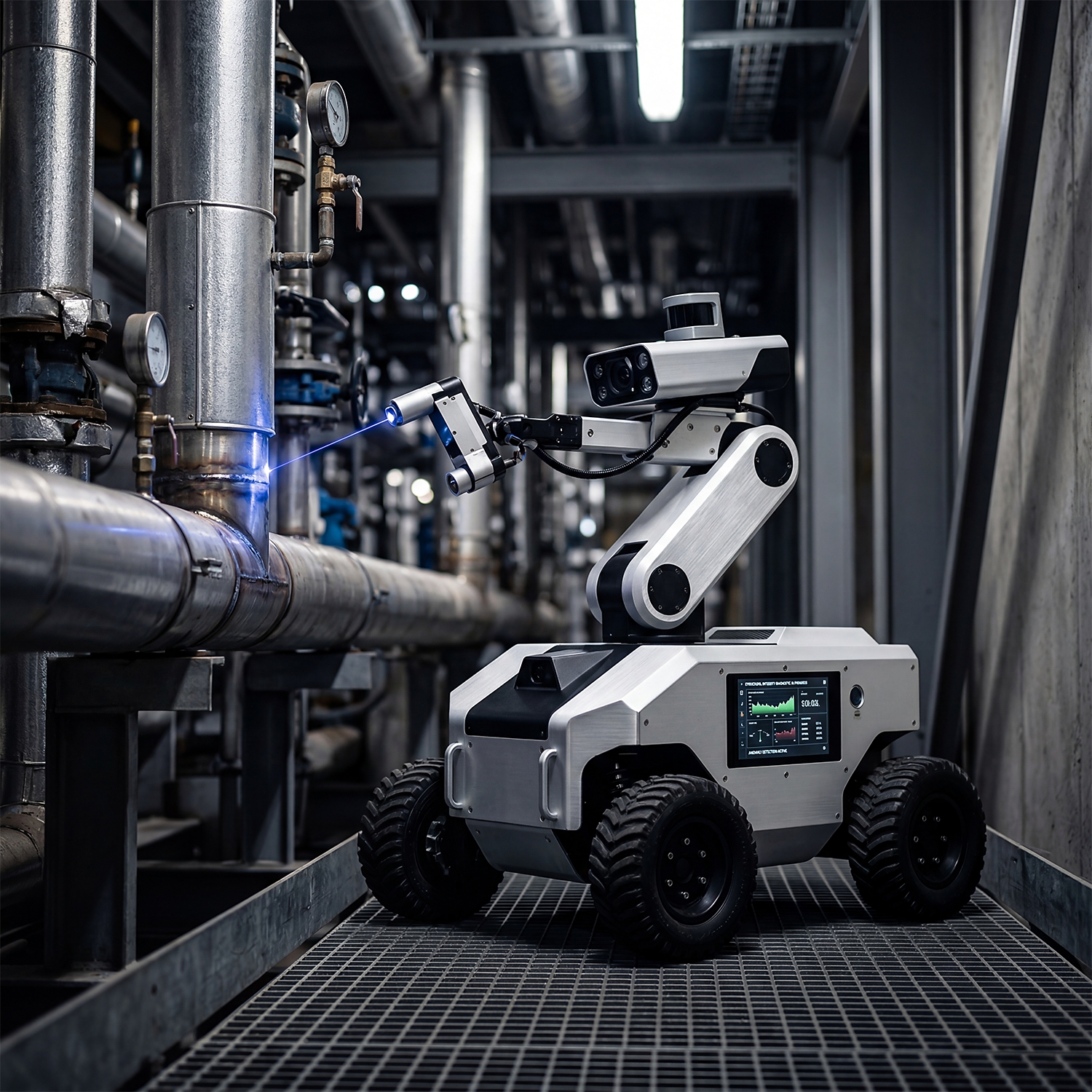
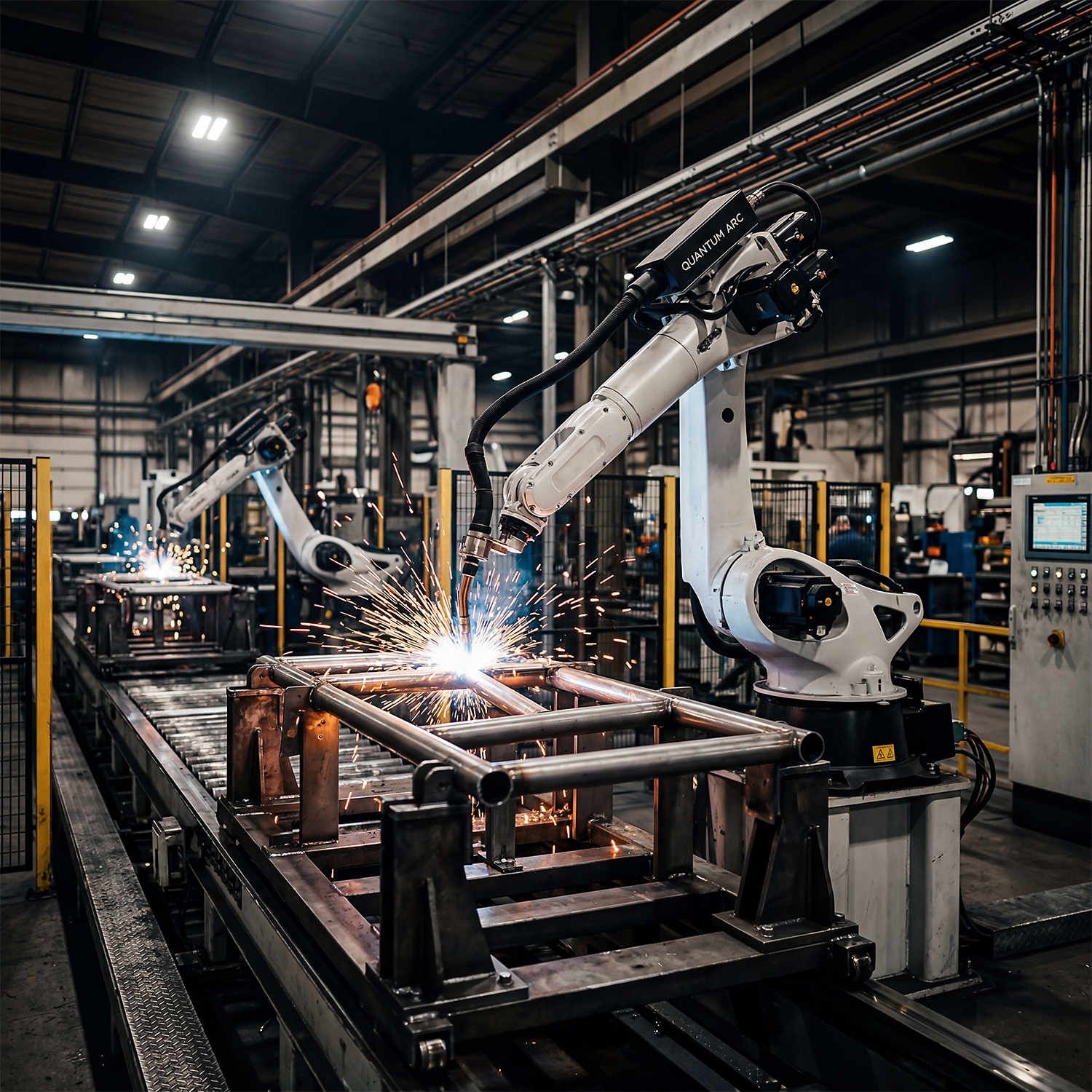
Inspection robots, led by quadrupeds from Deep Robotics, whose X Series pioneered substation patrol, and Unitree's industrial B2, carry thermal and visual sensing across terrain wheeled machines cannot, doubling as security patrol assets, while welding robots automate industry's most skill starved trade and construction robots extend automation to the built environment.
Industrial Cleaning Robots
Even floor care industrialized: SIASUN's industrial cleaning robots and heavy sweepers from the cleaning robot world maintain production floors, logistics parks and parking structures at thousands of square metres per hour.
Technology Behind Industrial Robots
Precision, Payload and Repeatability
The industrial arm's virtues remain unmatched where they apply: sub millimeter repeatability across millions of cycles, payloads from grams to over a tonne and duty cycles no human process survives. Modern force and torque sensing adds touch to that precision, enabling contact rich assembly, compliant part seating and the collaborative modes that dissolved the safety cage.
Navigation Without Infrastructure
Industrial mobility runs on fused laser SLAM and vision, mapping facilities without wires, magnets or reflectors and absorbing layout changes as software updates. Certified safety stacks, 360 degree LiDAR and camera coverage, graduated slow and stop zones, load stability monitoring, let driverless platforms share aisles with people and manned vehicles under ISO 3691-4 discipline.
Learning Replaces Programming
The steepest cost in industrial automation was always integration engineering, and AI is collapsing it. Reinforcement learning pipelines stand up humanoid tasks in days, vision models generalize picking across part variety, demonstration teaching converts a human showing into robot doing, and fleet learning means every deployed unit improves the whole installed base, timelines that once read in months now read in days, with documented 36 hour installs.
Fleet Orchestration and Factory Integration
Above the machines sits the software that makes them a system: fleet managers sequencing mixed robot traffic, WMS and MES integration flowing orders to execution, elevator and door coordination for multi level plants, and autonomous charging rotation sustaining multi shift continuity, the connective layer that turns robot purchases into production capacity.
Applications and Use Cases
Automotive and Transportation Equipment
Robotics' founding industry still leads adoption: arms welding and assembling, AMRs feeding lines, humanoids inspecting and tending at plants from BYD to Volkswagen joint ventures, across factory operations worldwide.
Electronics and High Tech Manufacturing
SCARA and small payload arms dominate high speed electronics assembly, joined by force controlled humanoids running quality inspection lines at thousands of units per shift.
Metals, Machinery and Heavy Industry
Large and ultra high payload arms handle castings, plate and machinery components, with welding automation absorbing the trade's chronic skills shortage.
Logistics and Distribution
The industrial warehouse stack, forklifts, lifting robots, transport AMRs and humanoids, connects production to fulfillment across logistics networks.
Energy, Utilities and Infrastructure
Quadruped inspection fleets patrol substations, plants and pipelines, reading gauges and thermal signatures in environments hazardous for routine human presence.
Food, Pharma and Consumer Goods
Hygienic design arms, gentle force controlled handling and dense robotic storage serve the high mix, high compliance industries where consistency is the product.
Advantages and Benefits
- Proven beyond argument. Decades of deployment and millions of installed units de-risk every adoption.
- Every payload, every precision. From SCARA speed to tonne class lifting to sub millimeter humanoid touch.
- The cage is gone. Cobots, certified AMRs and force limited humanoids work beside people safely.
- Infrastructure free mobility. SLAM navigation deploys on existing floors and shrugs off layout changes.
- Integration in days. Learning based deployment collapses the engineering that priced out mid size plants.
- Multi shift by design. Battery swap, autonomous charging and duty rated mechanics run around the clock.
- The labour gap answered. Welding, forklift and station roles that cannot be hired become robot coverage.
- One connected system. Fleet software turns arms, vehicles and humanoids into coordinated production capacity.
Pricing and Availability
Industrial robots are available for purchase worldwide, from single arm and single AMR deployments to complete production systems, with the full range browsable through the industrial robot catalog on Robots International. Industrial robot price and cost vary widely by type, payload class, fleet size, integration scope and destination, so buyers seeking industrial robots for sale should request a current quotation for their operation. Purchasing inquiries, specification sheets and availability details for those looking to buy industrial robots can be found on this page.
Frequently Asked Questions
What are industrial robots?
Industrial robots are automated machines for manufacturing and heavy industry, spanning robotic arms from SCARA to ultra high payload classes, industrial AMRs, autonomous forklifts, welding robots, inspection robots and the new generation of industrial humanoids.
How do industrial robots work?
Robotic arms execute programmed and increasingly learned motions with sub millimeter repeatability, guided by vision and force sensing. Mobile platforms navigate by laser SLAM without infrastructure under certified safety systems, while fleet software integrated with factory systems sequences tasks, traffic and charging across the whole robot workforce.
Why are industrial robots important?
Industrial robots are the productive backbone of modern manufacturing, delivering the consistency, endurance and precision that human processes cannot sustain, and now absorbing the welding, forklift and station labour that industry can no longer hire, at accessibility levels that finally reach beyond the giants.
What are the benefits of industrial robots?
Key benefits include relentless quality and repeatability, payload coverage from grams to tonnes, safe collaboration without cages, infrastructure free mobile deployment, integration timelines collapsed by learning based setup, around the clock multi shift operation and relief for industry's deepest skills shortages.
Which industrial robot fits which task?
High speed assembly suits SCARA arms, heavy handling takes large and ultra high payload arms, material flow runs on AMRs and autonomous forklifts, human designed stations go to industrial humanoids, and hazardous patrol belongs to inspection quadrupeds.
How much do industrial robots cost?
Industrial robot cost spans from accessible single AMRs and cobots to multi million dollar production systems, shaped by payload, precision, fleet size and integration scope, with flexible acquisition models widening access for mid size operations. Buyers should request a tailored quotation for accurate pricing.
Where can I buy industrial robots?
Industrial robots are for sale through Robots International, serving markets worldwide with delivery, customs clearance and support across arms, mobile platforms, forklifts, humanoids and inspection systems. Full purchasing details and the complete catalog are available on this page.
Summary
Industrial robots built the modern economy from inside the safety cage, and have now stepped out of it. With robotic arms spanning every payload and precision class, driverless vehicles running material flow under certified safety, quadrupeds patrolling the hazardous edges and humanoids taking up stations built for human hands, the category has evolved from fixed automation for giants into a flexible, learning, connected workforce available to any serious operation. For any manufacturer, processor or industrial enterprise evaluating automation today, this page stands as the definitive starting point.
v3, August 2, 2026, Fable